Myeloma

The European Hematology Association (EHA) 2026 Congress brought together the global hematology community to unveil the latest practice-shaping advances in hematological malignancies and blood disorders. From plenary and late-breaking trial results to prestigious award winners, novel therapeutics, translational science and emerging technologies, the meeting delivered a vast volume of data. In this expert-led round-up, leading specialists distil the most important data and key takeaways from across each disease area, offering an essential guide to the studies set to shape the future of hematology.

Late-breaking results from the phase 3 SUCCESSOR-2 trial presented at EHA 2026, show that adding mezigdomide to carfilzomib and dexamethasone (MeziKd) significantly improves outcomes in relapsed/refractory Multiple myeloma, particularly in patients previously exposed to lenalidomide and anti-CD38 therapy. Prof Meletios Dimopoulos provides his insights in this exclusive Q&A.

New data presented at EHa 2026 by Prof Yizhen Li identify CD5 as a key intrinsic regulator of T-cell engager (TCE) efficacy, with potential implications across both hematologic malignancies and solid tumors. In the plenary abstract, investigators used genome-wide and targeted CRISPR knockout screens in primary human CD8+ T cells exposed to the CD19×CD3 bispecific Blinatumomab to identify T cell–intrinsic mechanisms limiting response. Importantly, the effect extended beyond B-ALL to multiple CD3-engaging bispecifics targeting CD20, BCMA, GPRC5D, DLL3, and GD2, supporting CD5 as a potentially generalizable therapeutic target for amplifying TCE efficacy.
Late-breaking phase 3 data presented at ASCO 2026 highlight mezigdomide, an oral CELMoD, as a potential new option for patients with relapsed/refractory multiple myeloma previously exposed to anti-CD38 monoclonal antibodies and lenalidomide.
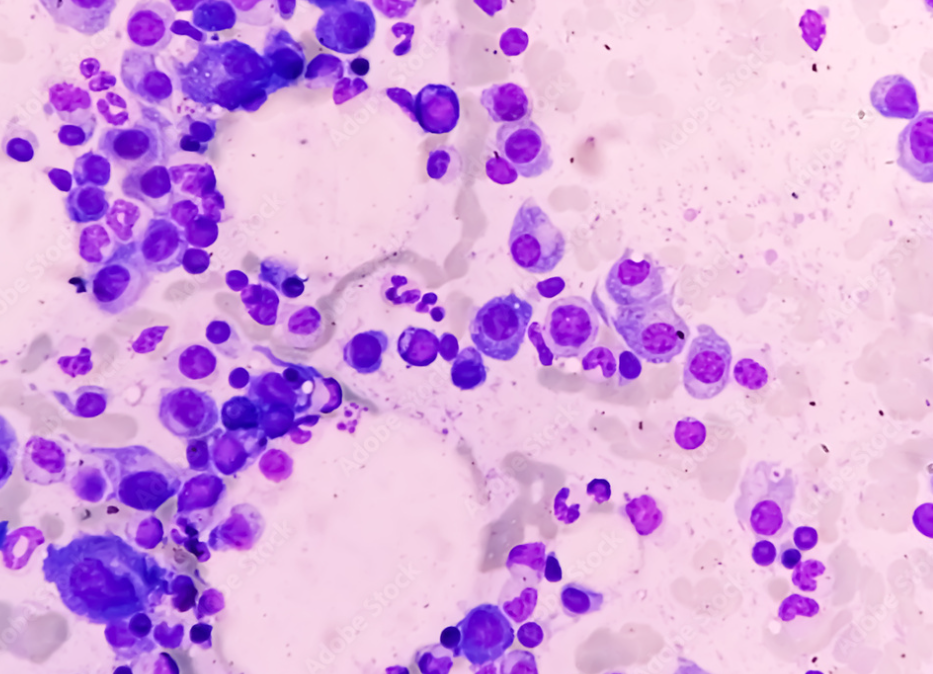
Isatuximab is a CD38-receptor targeted monoclonal antibody approved as a combination therapy for the treatment of RRMM in patients who have received 1 to 3 lines of prior therapy.

In proud collaboration with EBMT, we have captured the highlights from the recent 52nd Annual Meeting, EBMT 2026. Below, hear from Dr Anna Sureda, President of EBMT, Dr Rafael Duarte, Congress President, and other world-leading experts sharing some of the most ...

At EBMT26, Prof Meral Beksac discusses data from the phase III PERSEUS trial, where adding daratumumab to standard VRd induction and consolidation – followed by daratumumab–lenalidomide maintenance – has delivered striking gains in sustained MRD negativity and progression-free survival. The findings reinforce a shift toward quadruplet therapy as the new standard of care in TE NDMM.

We often focus on clinical excellence, but spend less time developing broader skills that could help us better lead with purpose and build more fulfilling, impactful careers. In this episode, part of a mini-series in partnership with LEADderm, Dr Jennifer Soung and Denise Mann explore how clinicians can engage with the media to educate, empower and extend their impact beyond the clinic.
Key takeaways Primary endpoint not met, but promising trends observed – The Galleri® test did not achieve a statistically significant reduction in combined Stage III–IV cancer diagnoses, but showed favourable shifts toward earlier detection in 12 high-risk cancers. Reduction in late-stage ...







The 67th ASH Annual Meeting and Exposition brought over 30,000+ attendees, 5,000+ novel abstracts and 275+ exhibitors corporate supporters, academic leaders and patient-advocacy groups. The meeting highlighted innovations ranging from novel agents to real-world evidence and patient-centred care. In this article, hear from the experts on the key breakthroughs and clinical insights set to shape the future of haematology practice.

Discover the practice-changing data shaping the future of myeloma, chronic lymphocytic leukemia and small lymphocytic lymphoma. Our ASH25 coverage highlights the pivotal Majestec-3 results, emerging CAR T-cell innovations, and the landmark BRUIN CLL-313 trial poised to redefine first-line therapy. With expert commentary from Prof. Meletios-Athanasios Dimopoulos, this in-depth analysis uncovers what these breakthroughs mean for clinical practice.
Learn more about the six highly anticipated late-breaking abstracts at ASH 2025. From in-vivo CAR-T technology and novel ITP strategies to genomic diagnostics and pragmatic perioperative trials. These data showcase fresh, innovative research, potential practice shifts and early signals that we will all want to follow closely.


The European Hematology Association (EHA) has released its official EHA Perspectives in Hematology reports from the 2025 Annual Congress in Milan, now available in two separate editions covering malignant and non-malignant hematology. Following strong interest in the 2024 pilot report, this expanded format offers deeper insights into scientific and clinical advances across the field.


As touchHAEMATOLOGY approaches 20 years of providing education for busy haematologists, we are looking to the future—and it certainly looks bright!
Log into your Touch Account
Keep track of your clinical interests and newsletter subscriptions.
Sign up with an Email
Or use a .
Register now for FREE access
Already registered? Login below.