“We are now seeing progression-free survival far beyond what we previously thought possible”
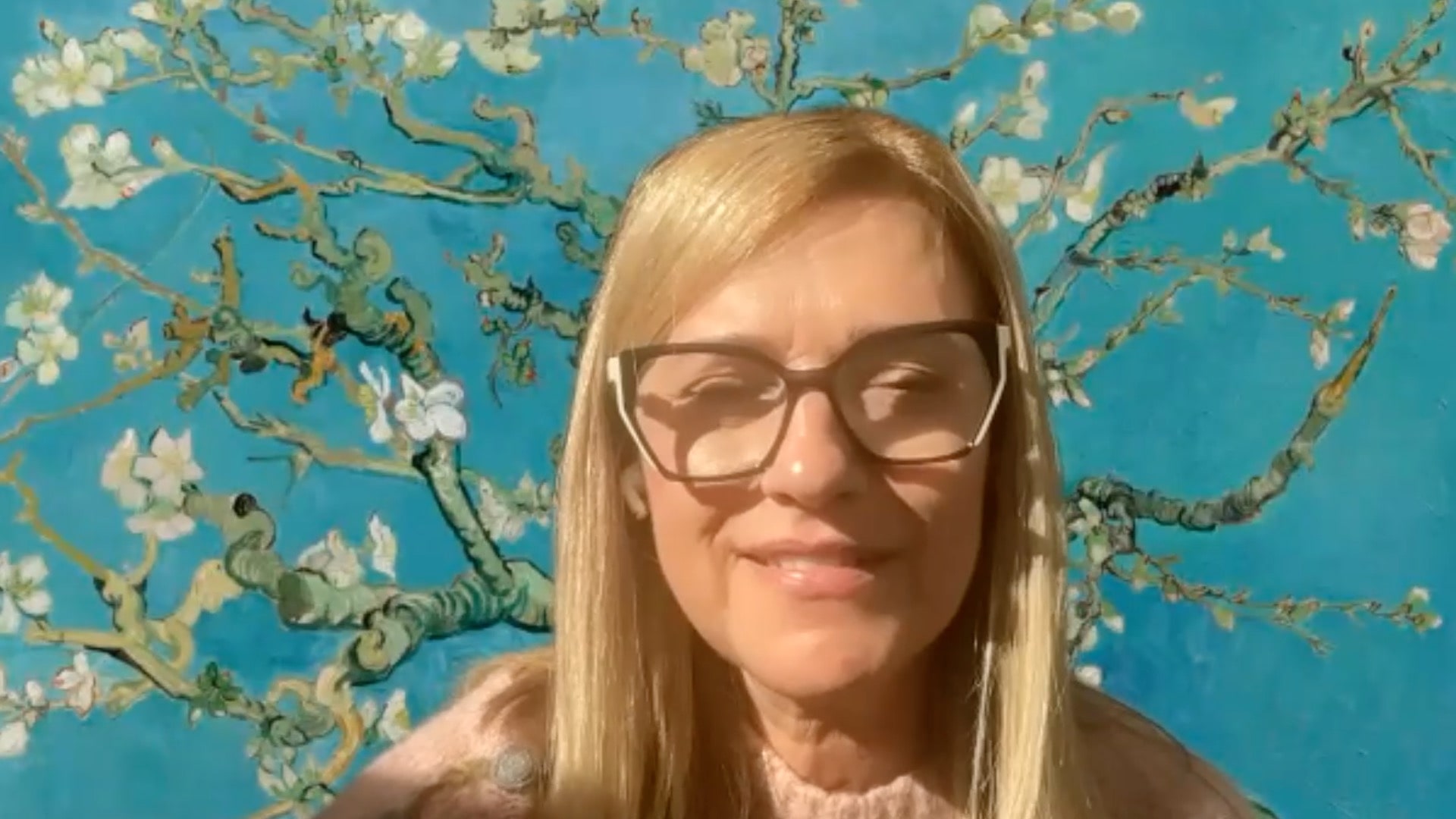
At the 52nd Annual Meeting of the European Society for Blood and Marrow Transplantation (EBMT) in Madrid, Prof Meral Beksac (Istinye University, Ankara Liv Hospital, Ankara, Turkey) discusses data from the phase III PERSEUS trial, where adding daratumumab to standard bortezomib-lenalidomide-dexamethasone (VRd) induction and consolidation – followed by daratumumab–lenalidomide maintenance – has delivered striking gains in sustained minimal residual disease (MRD) negativity and progression-free survival. The findings reinforce a shift toward quadruplet therapy as the new standard of care in transplant-eligible newly-diagnosed multiple myeloma (TE NDMM).
VRd has long represented a standard-of-care induction regimen in TE NDMM, combining a proteasome inhibitor with an immunomodulatory agent. While this approach significantly improved outcomes compared with earlier therapies, progression-free survival (PFS) remained limited to approximately five years in most series, underscoring the need for more effective strategies.
At the same time, autologous stem cell transplantation retained a central role in disease control, even in studies evaluating early versus delayed transplant. This highlighted a persistent unmet need in optimising upfront therapy.
The rationale for incorporating daratumumab was based on its demonstrated efficacy in the relapsed setting, where it showed clear synergy with both proteasome inhibitors and immunomodulatory drugs (IMiDs). This provided a strong biological and clinical basis for integrating an anti-CD38 monoclonal antibody into frontline treatment. Subsequent phase III studies, including PERSEUS, have confirmed that this quadruplet approach can substantially deepen responses and extend disease control beyond what was previously achievable.
PERSEUS (EMN17) is a randomized phase III study enrolling TE patients with NDMM. Eligible patients were typically younger and fit, with adequate organ function. Participants were randomized to receive either standard VRd or daratumumab in combination with VRd. Following induction, all patients proceeded to autologous stem cell transplantation and subsequent consolidation therapy.
A key distinction between the treatment arms lies in the maintenance phase: patients in the experimental arm received daratumumab plus lenalidomide, whereas those in the control arm received lenalidomide alone.
Importantly, the study incorporates longitudinal MRD assessment, enabling evaluation of sustained MRD negativity as a clinically meaningful endpoint. This analysis focuses particularly on sustained MRD negativity of at least 12 months’ duration, which is increasingly recognised as a surrogate marker for long-term outcomes.
The addition of daratumumab to VRd resulted in a marked increase in the depth and durability of response. Specifically, rates of sustained MRD negativity were approximately doubled with the quadruplet regimen. This translated into highly favourable PFS outcomes. Notably, patients achieving sustained MRD negativity for at least 12 months experienced progression-free survival rates exceeding 95% at 48 months, highlighting the strong prognostic significance of this endpoint. Furthermore, the regimen was associated with a substantial reduction in early disease progression, including among patients with high-risk features. While outcomes were improved across all subgroups, high-risk disease remains an area where further therapeutic advances are warranted.
Yes, the PERSEUS data provide compelling evidence supporting this approach as a standard of care in TE NDMM. The regimen is not only highly effective in achieving deep and sustained responses, but also feasible in routine clinical practice, including in conjunction with stem cell transplantation.
Nevertheless, ongoing studies are exploring strategies to further enhance efficacy, including the incorporation of bispecific antibodies and other novel immunotherapeutic approaches. These developments may ultimately reshape treatment paradigms and challenge the traditional distinction between transplant-eligible and transplant-ineligible populations.
One of the most exciting areas is the continued evolution of cellular immunotherapy. While autologous transplantation has historically been central to disease management, the field is increasingly moving toward engineered cellular therapies such as CAR-T cells. In particular, in vivo CAR T-cell approaches represent a potentially transformative advance. By enabling direct delivery of genetic constructs to patients, these strategies may circumvent the logistical and economic challenges associated with ex vivo manufacturing, including prolonged vein-to-vein times and the need for bridging therapy. Although these approaches remain investigational, early data are promising. If safety and durability are confirmed in larger cohorts with longer follow-up, they may significantly expand access to cellular therapies and further redefine treatment strategies in multiple myeloma.
About the European Society for Blood and Marrow Transplantation (EBMT)
The EBMT is a community of healthcare professionals, involved in clinical haematopoietic cell transplantation and cellular therapy, who share their experiences and develop co-operative studies. The EBMT has a governing body called the Board of Association and three sets of groups that channel the society’s research aims and other activities: the EBMT Working Parties, Committees, and Nurses Group, which addresses issues within the field specifically related to nursing.
This content has been developed in collaboration with the European Society for Blood and Marrow Transplantation for touchHEMATOLOGY. Views expressed are the speaker’s own and do not necessarily reflect the views of Touch Medical Media.
Disclosures: Meral Beksac is a member of the Advisory Board for BMS, Janssen, Pfizer, Sanofi, GSK, Regeneron and Stemline Menarini. She is a Speaker’s Bureau participant with BMS, Janssen, Pfizer, Sanofi, GSK, Stemline Menarini and Takeda.
Cite: PERSEUS: Quadruplet therapy reinforces a new standard in frontline myeloma. touchHEMATOLOGY. 7th April 2026.
Interviewer: Caroline Markham

Related content
- FDA grants orphan drug status to zavabresib in myelofibrosis
- PARADIGM challenges role of intensive chemotherapy in newly diagnosed AML
- FDA grants orphan drug status to zavabresib in myelofibrosis
SIGN UP to touchHEMATOLOGY!
Join our global community today for access to thousands of peer-reviewed articles, expert insights and learn-on-the-go education across 150+ specialties, plus concise email updates and newsletters so you never miss out.