touchLearning Activities
Education, Conference Coverage and Articles

The European Hematology Association (EHA) 2026 Congress brought together the global hematology community to unveil the latest practice-shaping advances in hematological malignancies and blood disorders. From plenary and late-breaking trial results to prestigious award winners, novel therapeutics, translational science and emerging technologies, the meeting delivered a vast volume of data. In this expert-led round-up, leading specialists distil the most important data and key takeaways from across each disease area, offering an essential guide to the studies set to shape the future of hematology.
At EHA 2026, Erik Aerts, President of the hematology Nurses & Healthcare Professionals Group, highlighted the dual pressures shaping hematology nursing: rapidly increasing treatment complexity and a growing workforce shortage across Europe. He outlined how HNHCP is responding through expanded education, new learning programmes in AML, ALL and MPNs, and stronger international collaboration to support nurses in an evolving therapeutic landscape.

With the recent FDA approval of narsoplimab for transplant-associated thrombotic microangiopathy, the field is moving from recognition to intervention. Dr Eleni Gavriilaki discusses the evolving role of complement inhibition, endothelial-directed strategies, and why earlier-career researchers will be central to advancing ...

At EHA 2026, Prof George Vassiliou discusses the discoveries behind his Research Excellence Award, from defining clonal haematopoiesis as a precursor to blood cancer to uncovering new therapeutic vulnerabilities in AML. He explains why early detection and prevention may represent the next major shift in haematology—and why menin inhibitors, BCL2 inhibitors, and CAR T-cell therapies are reshaping the field.

At EHA 2026, Prof Claire Harrison reflects on receiving the society’s Lifetime Achievement Award, the evolution of MPN care, and why targeted therapies could reshape the field.

Following his 2026 EHA Clinical Excellence Award, Prof Josep-Maria Ribera reflects on the transformation of acute lymphoblastic leukemia from a broadly treated disease into an increasingly molecularly stratified entity. In this interview, he discusses the rise of immunotherapy, the importance of combining targeted and immune-based approaches, and why understanding the growing number of ALL subtypes will be central to future progress.

Late-breaking results from the phase 3 SUCCESSOR-2 trial presented at EHA 2026, show that adding mezigdomide to carfilzomib and dexamethasone (MeziKd) significantly improves outcomes in relapsed/refractory Multiple myeloma, particularly in patients previously exposed to lenalidomide and anti-CD38 therapy. Prof Meletios Dimopoulos provides his insights in this exclusive Q&A.
At the European Hematology Association Congress 2026, the phase 3 BRUIN CLL-322 trial showed that fixed-duration Pirtobrutinib plus Venetoclax–Rituximab significantly improved progression-free survival versus venetoclax–rituximab alone in relapsed/refractory Chronic lymphocytic leukemia/Small lymphocytic lymphoma, with higher undetectable MRD rates and similar safety. Speaking after his presentation, Dr Matthew Davids said the findings could help establish a new fixed-duration standard of care in relapsed disease.
BCMA-directed CAR-T therapy may offer a new therapeutic strategy for refractory primary immune thrombocytopenia (ITP), according to late-breaking phase 1 data presented at EHA 2026. In four evaluable patients, three achieved complete response within 14 days and maintained drug-free remission for 6–14 months. Translational analyses suggest the therapy induces broader immune reprogramming, supporting the concept of durable “immune resetting” in autoimmune disease.

Late-breaking data from the phase 3 SENTRY trial show that selinexor plus ruxolitinib significantly improved spleen volume reduction in JAK inhibitor–naïve myelofibrosis, with rapid and sustained responses and an early signal for overall survival benefit. While symptom improvement was comparable to ruxolitinib alone, exploratory biomarker findings suggest potential disease-modifying activity, positioning the combination as a possible new frontline strategy.

New data presented at EHa 2026 by Prof Yizhen Li identify CD5 as a key intrinsic regulator of T-cell engager (TCE) efficacy, with potential implications across both hematologic malignancies and solid tumors. In the plenary abstract, investigators used genome-wide and targeted CRISPR knockout screens in primary human CD8+ T cells exposed to the CD19×CD3 bispecific Blinatumomab to identify T cell–intrinsic mechanisms limiting response. Importantly, the effect extended beyond B-ALL to multiple CD3-engaging bispecifics targeting CD20, BCMA, GPRC5D, DLL3, and GD2, supporting CD5 as a potentially generalizable therapeutic target for amplifying TCE efficacy.

For almost two decades, R-CHOP has remained the established frontline standard for DLBCL, yet approximately 40% of patients are not cured with first-line therapy. At EHA 2026, Prof Georg Lenz presented new phase 3 data from the frontMIND study suggesting that this long-standing backbone may now be open to improvement. The study showed that adding tafasitamab and lenalidomide to R-CHOP significantly improved progression-free survival (PFS) in previously untreated patients with high-risk DLBCL and high-grade B-cell lymphoma (HGBL), marking one of the first positive frontline intensification trials in this setting in recent years.
The AIEOP-BFM ALL 2017 trial represents one of the clearest demonstrations to date that frontline immunotherapy can outperform and out-safeguard conventional chemotherapy in pediatric ALL. Beyond its immediate implications for high-risk disease, the study may provide the framework for broader treatment redesign across ALL risk groups, with future trials now focused on how far chemotherapy exposure can be safely reduced while preserving—and potentially improving—long-term cure. In this exclusive Q&A, Prof Martin Schrappe suggests this may be only the beginning of chemotherapy de-escalation in childhood ALL.
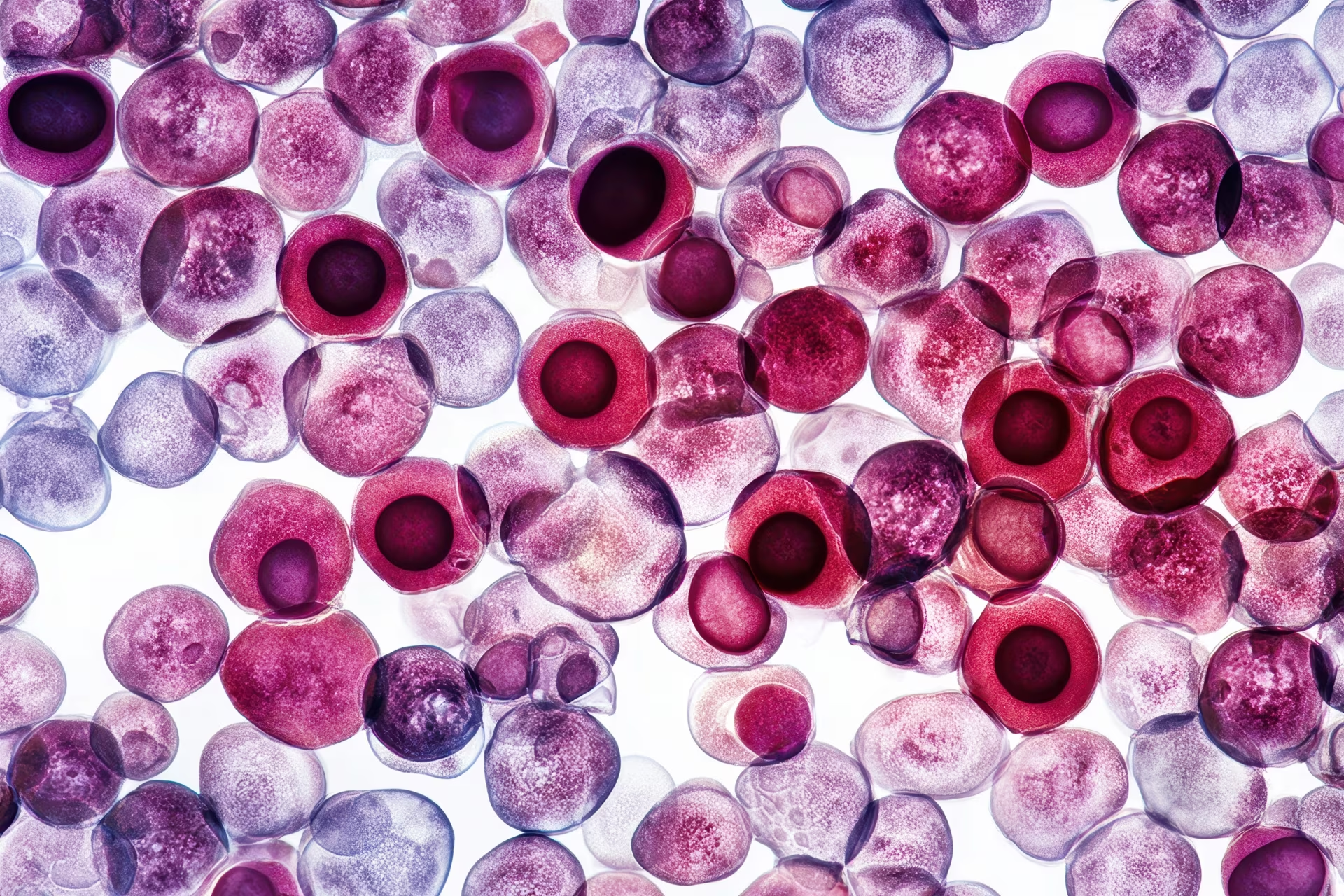
AML harbouring NPM1 mutation or KMT2A rearrangement accounts for around 35–40% of cases and is driven by aberrant menin-dependent transcriptional programmes. EHA 2026, Dr Amer Zeidanpresented updated long-term results from the intensive induction cohort of KOMET-007, evaluating ziftomenib 600 mg in combination with 7+3 in newly diagnosed NPM1-mutated and KMT2A-rearranged AML. In the following Q&A, Dr Zeidan discusses the biological rationale for menin inhibition, the ongoing unmet need in NPM1-mutated AML, and the potential of KOMET-007 to reshape frontline treatment strategies.
Late-breaking phase 3 data presented at ASCO 2026 highlight mezigdomide, an oral CELMoD, as a potential new option for patients with relapsed/refractory multiple myeloma previously exposed to anti-CD38 monoclonal antibodies and lenalidomide.
Several important lymphoma studies presented at ASCO 2026 provided new data across newly diagnosed and relapsed/refractory disease settings. The studies spanned aggressive B-cell lymphomas and classic Hodgkin lymphoma, evaluating novel antibody-based combinations, epigenetic targeting strategies and chemotherapy-sparing approaches. Dr Tycel Phillips provides his expert insights into the six most important studies of the meeting.

Your clinical career is shaped not only by what you know, but by who helps you navigate what comes next. Join us for the final episode in our mini-series exploring non-clinical skills that can help you thrive in your clinical ...
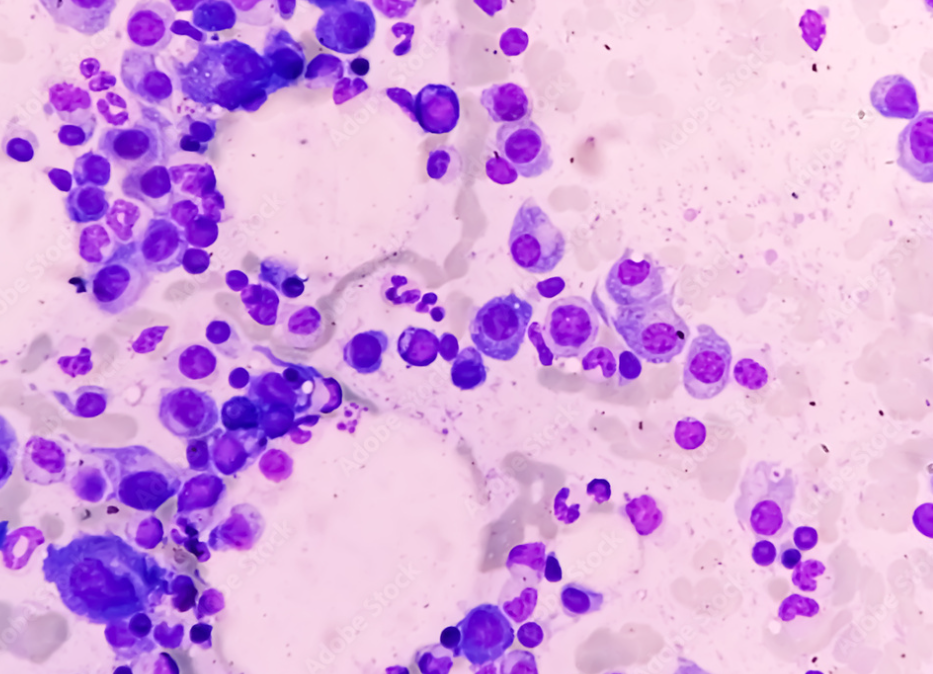
Isatuximab is a CD38-receptor targeted monoclonal antibody approved as a combination therapy for the treatment of RRMM in patients who have received 1 to 3 lines of prior therapy.

 touchHEMATOLOGY
Register Now!
Explore the latest in medical education and stay current in your field. Create a free account to track your learning.
- Save your progress for video
- Keep track of your CME credits
- Add personalised learning notes
- Receive updates from course leaders and faculty
- Be the first to hear about new and exciting interactive learning opportunities
Log into your Touch Account
Keep track of your clinical interests and newsletter subscriptions.
Sign up with an Email
Or use a .
Register now for FREE access
Already registered? Login below.