Rare Diseases
An Introduction to Rare Diseases
Rare blood disorders pose a unique set of diagnostic and therapeutic challenges. Their subtle presentation can often mimic more prevalent conditions, leading to delayed diagnoses and treatment. However, recent breakthroughs in precision medicine are transforming the management of these conditions, with a focus on pioneering research in disorders like haemophilia, sickle cell disease, and transthyretin amyloidosis.
Expert video highlights and insights from the conference hub and comprehensive peer-reviewed articles from our journal portfolio provide updates on the changing treatment landscape. To learn more about how the latest developments impact on patient outcomes view our expert-led learning activities.
Our supporting partners do not constitute an endorsement of the content on this page.


The European Hematology Association (EHA) 2026 Congress brought together the global hematology community to unveil the latest practice-shaping advances in hematological malignancies and blood disorders. From plenary and late-breaking trial results to prestigious award winners, novel therapeutics, translational science and emerging technologies, the meeting delivered a vast volume of data. In this expert-led round-up, leading specialists distil the most important data and key takeaways from across each disease area, offering an essential guide to the studies set to shape the future of hematology.

In proud collaboration with EBMT, we have captured the highlights from the recent 52nd Annual Meeting, EBMT 2026. Below, hear from Dr Anna Sureda, President of EBMT, Dr Rafael Duarte, Congress President, and other world-leading experts sharing some of the most ...

At EBMT26, Prof Claire Booth presented a plenary session on gene therapy in primary immunodeficiencies. In this interview, she reflects on the field’s most important milestones, how gene therapy compares with allogeneic transplantation, and the critical challenge of ensuring patients can actually access these transformative treatments.










As part of our Haematology Horizons practice pearl series, Dr Douglas Tremblay (Icahn School of Medicine at Mount Sinai, New York City, NY, USA) explores the contemporary role and limitations of HMAs across chronic myelomonocytic leukaemia subtypes, contrasts treatment goals by patient fitness and transplant eligibility and looks ahead to emerging HMA combinations and novel agents designed specifically for CMML.


The 67th ASH Annual Meeting and Exposition spotlighted many pivotal trial results across non-malignant haematology including immune thrombocytopenia, bleeding disorders, iron deficiency, von Willebrand disease, cancer-associated hematologic complications and more. We break down some of the most important abstracts presented, and what this might mean for future clinical practice.

INCA33989, a mutant CALR-specific antibody, showed an 80% platelet normalization rate and no dose-limiting toxicities in early-phase trials for essential thrombocythemia. Dr. John Mascarenas highlights the agent’s potential as a disease-modifying therapy, with reductions in mutant CALR burden and strong tolerability—marking a significant step forward in ET treatment.

Physician burnout is at a critical point. In this episode, Nicky speaks with Dr Alfred Atanda about why so many physicians are burning out and what can be done to change the trend. From personal experience to system-wide solutions, Dr Atanda shares valuable insights on improving physician well-being and building a more effective healthcare culture.

What if your medical degree could launch more than a clinical career? In this candid and compelling read, Dr Jon Edelson shares his lessons for early-career clinicians ready to think beyond the bedside and explore the business of medicine.

In this episode, we explore the future of continuing medical education (CME) with the team behind touchIME. Hannah Fisher and Matthew Goodwin share insights into global and US trends, the importance of patient inclusivity and how educational outcomes are evolving to better measure the direct impact of learning on clinical practice and patient care.
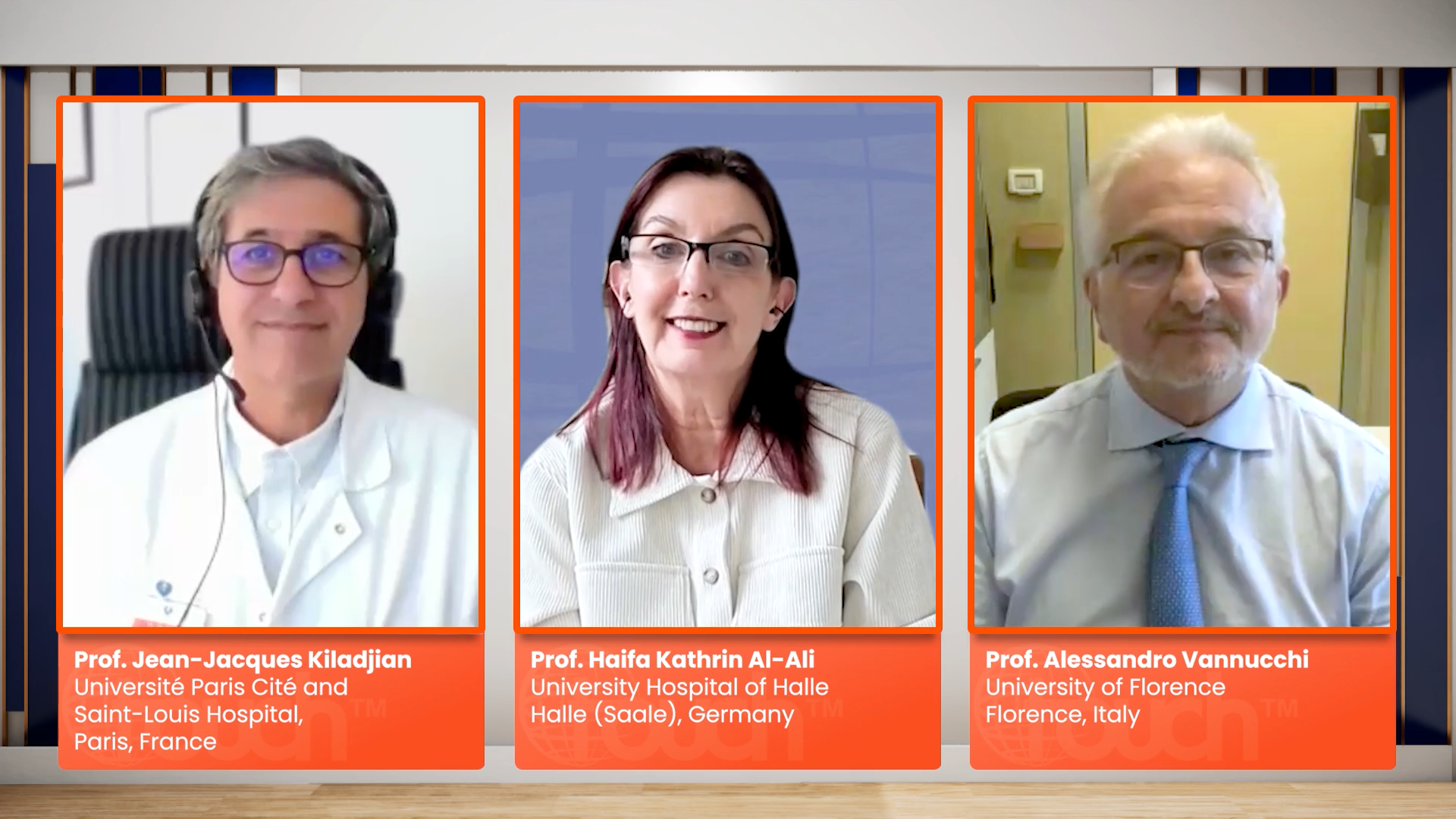
Protagonist Therapeutics Inc. and Takeda have shared positive topline findings from the phase III VERIFY trial (NCT05210790), which investigated rusfertide in patients with polycythemia vera (PV) who require frequent phlebotomies. Participants were randomly assigned to receive either rusfertide or a ...
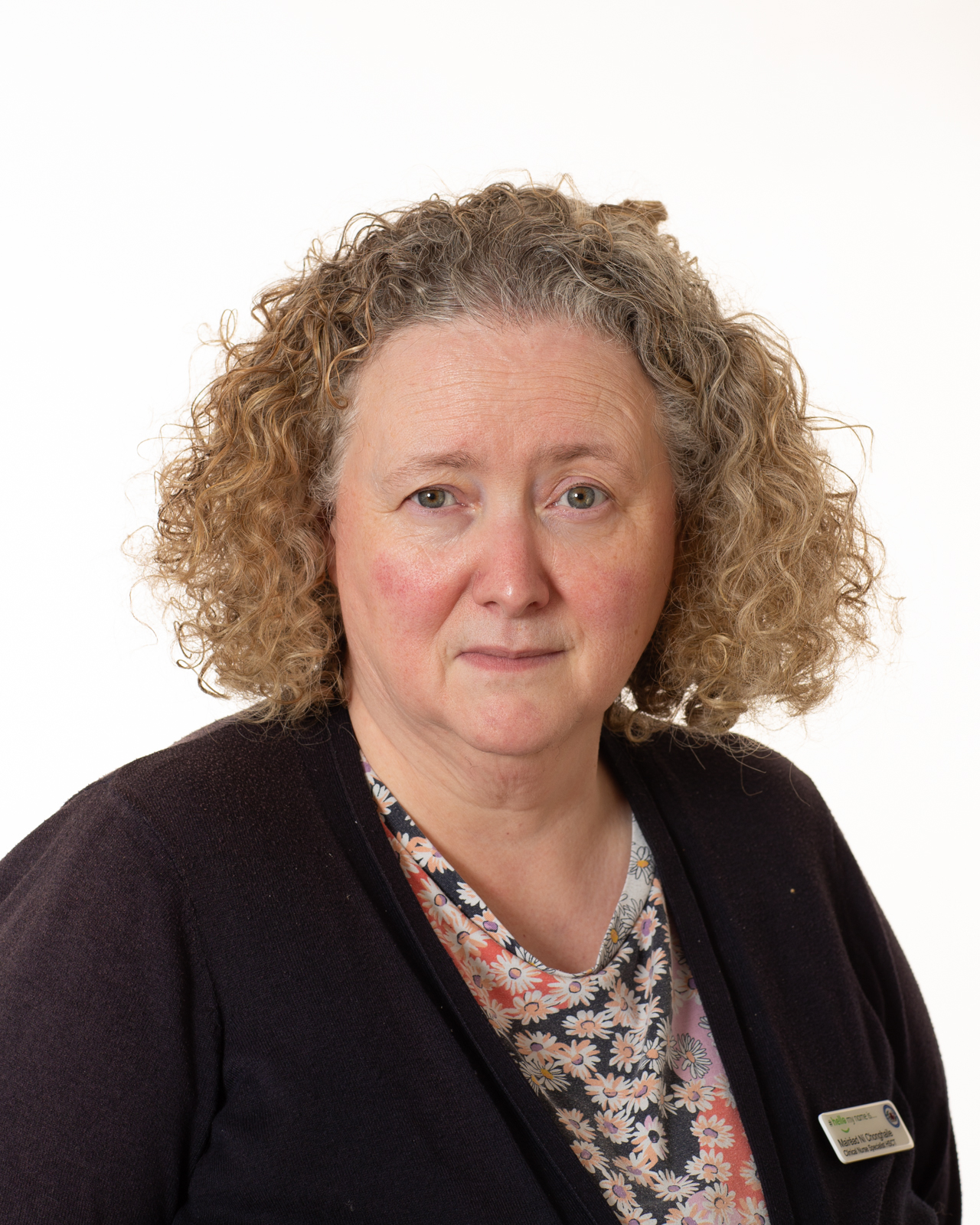
Nurses account for the largest group of professionals in the healthcare system and there are an estimated 29 million nurses worldwide (WHO, 2024). Nursing practice needs to be dynamic in order to respond to the changing needs of an aging population and ...
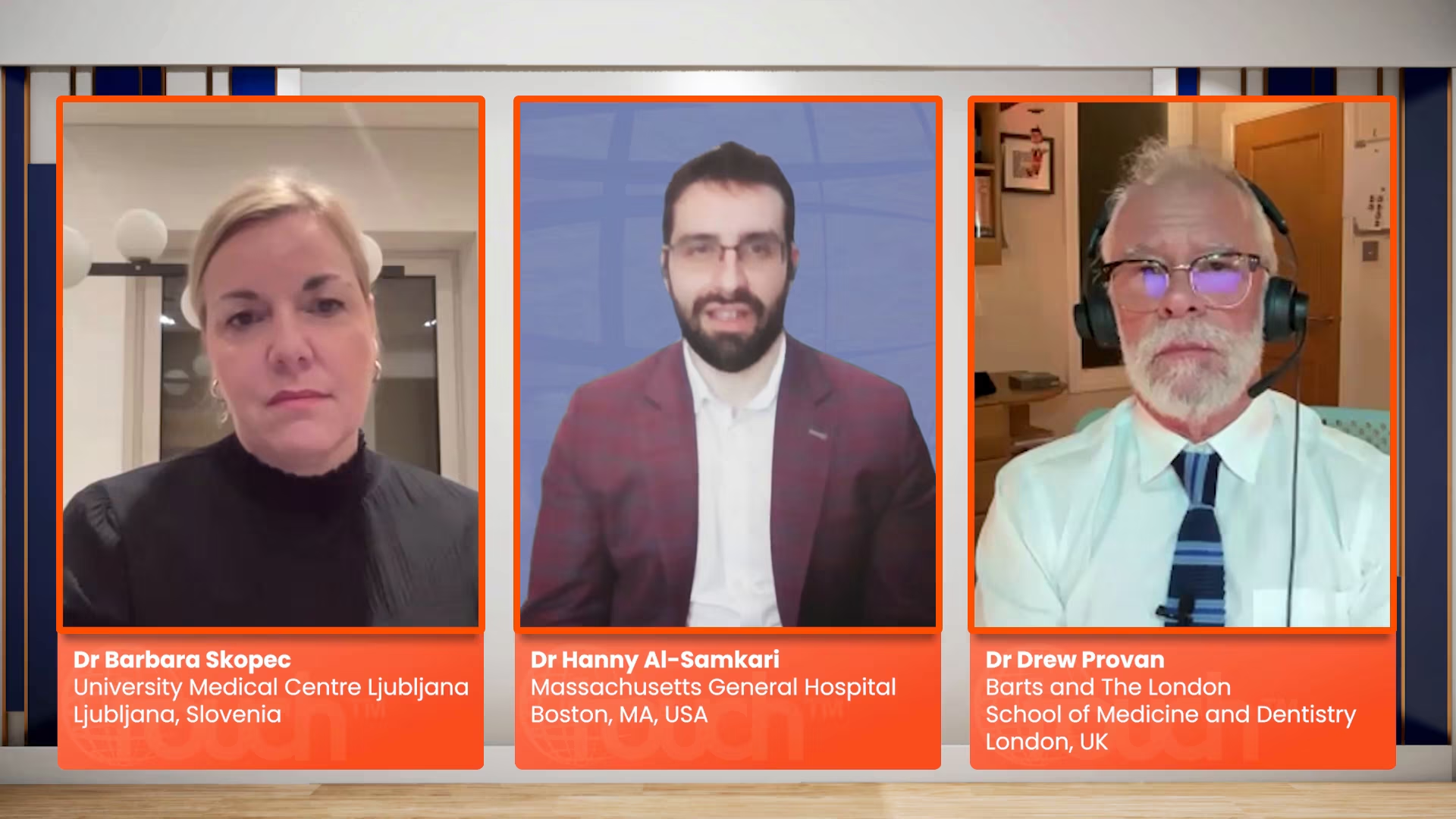

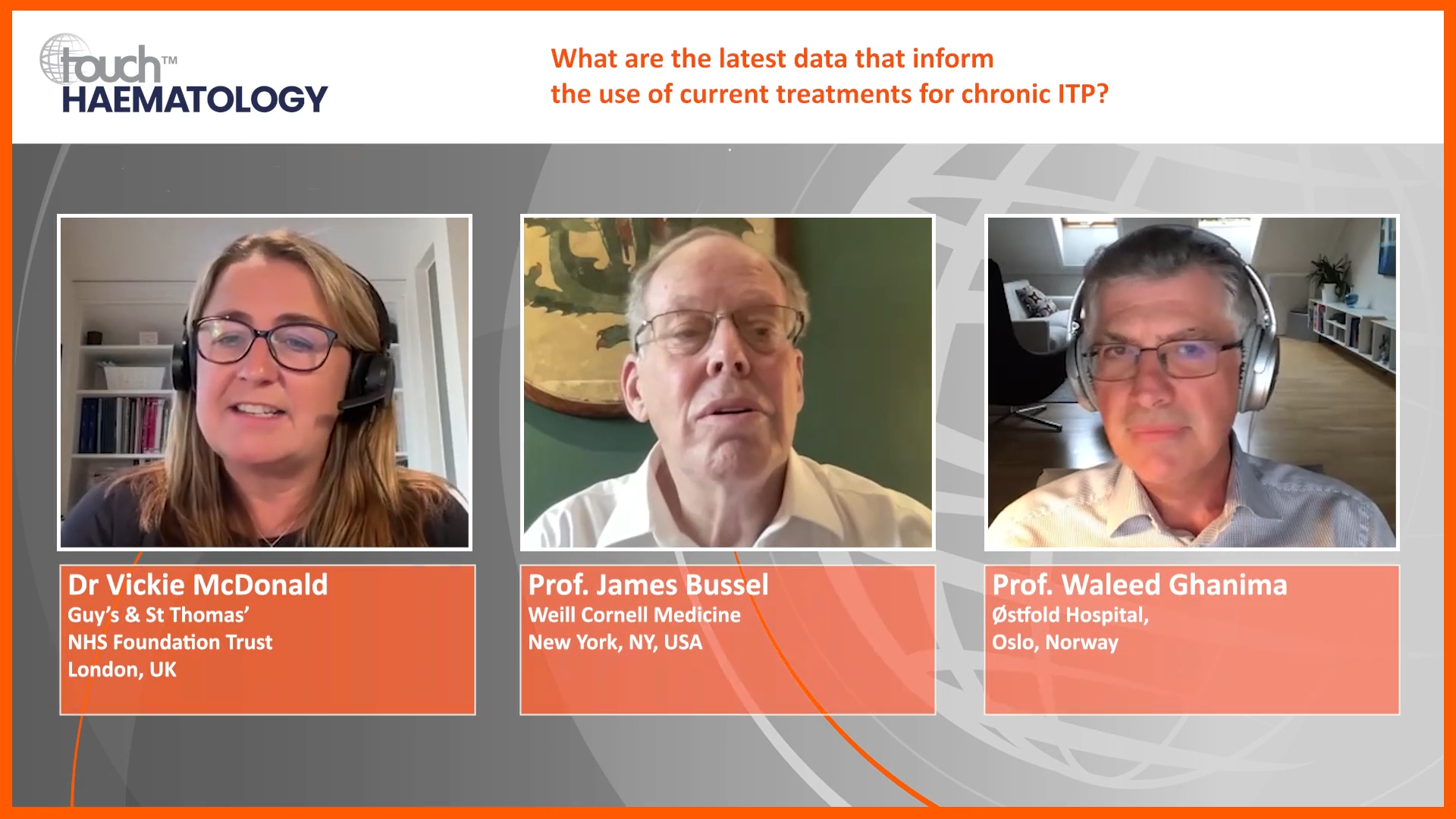
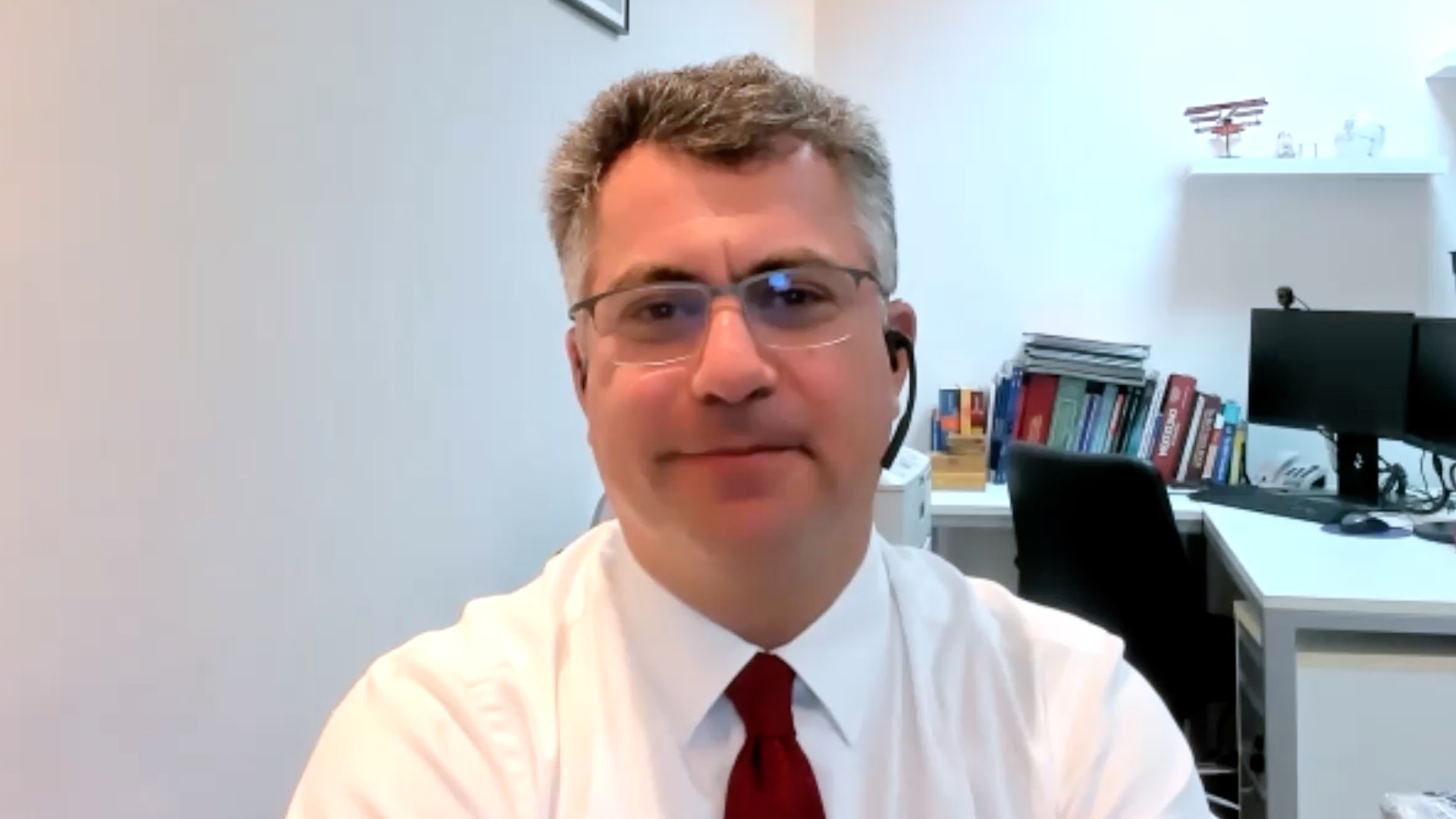
The 48-week data from the phase III APPLY-PNH and APPOINT-PNH trials investigates iptacopan, a first oral proximal complement inhibitor targeting factor B, in patients with paroxysmal nocturnal haemoglobinuria. We met with Dr Phillip Scheinberg (Hospital A Beneficência Portuguesa, Sã...
Log into your Touch Account
Keep track of your clinical interests and newsletter subscriptions.
Sign up with an Email
Or use a .
Register now for FREE access
Already registered? Login below.