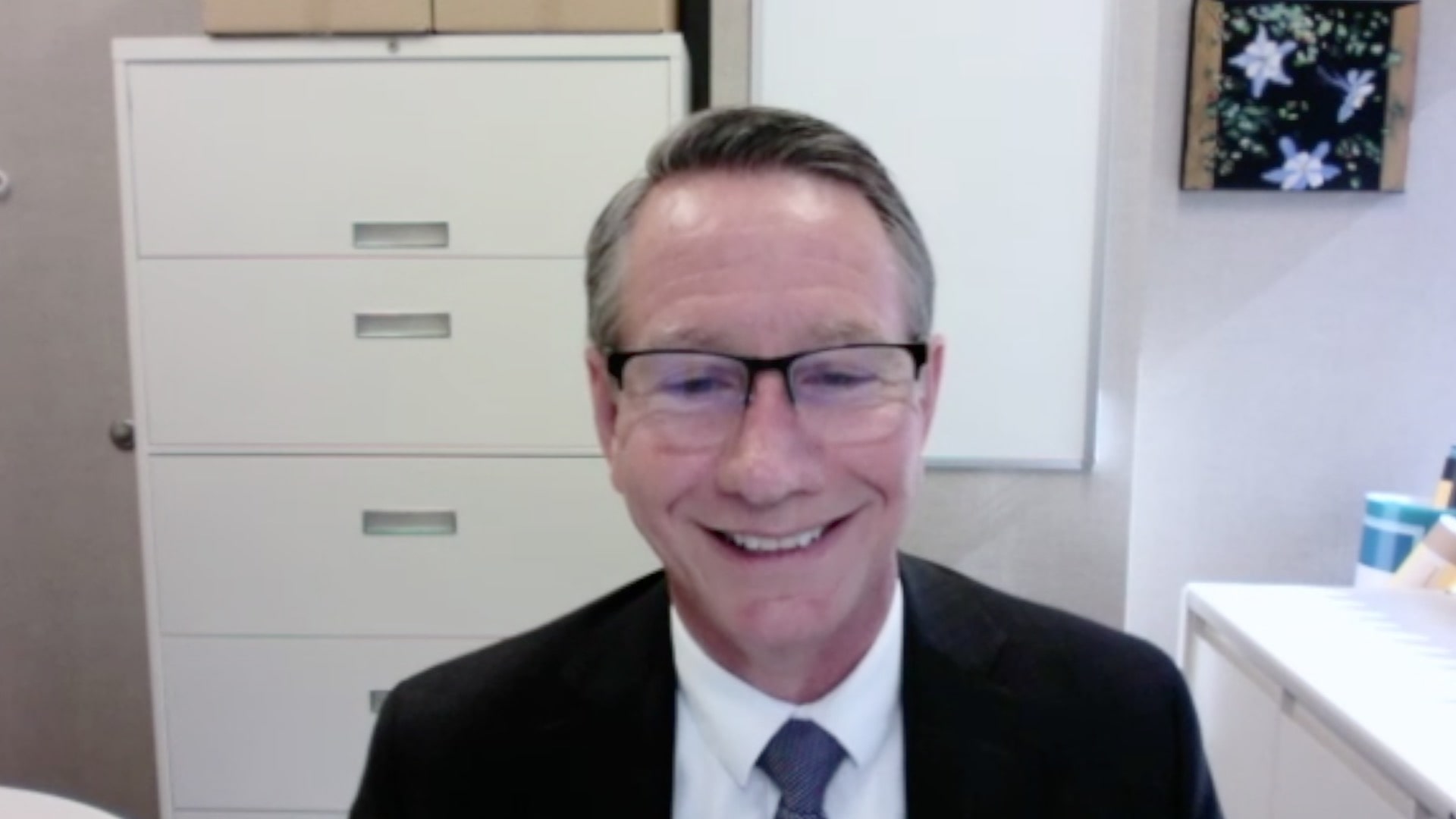
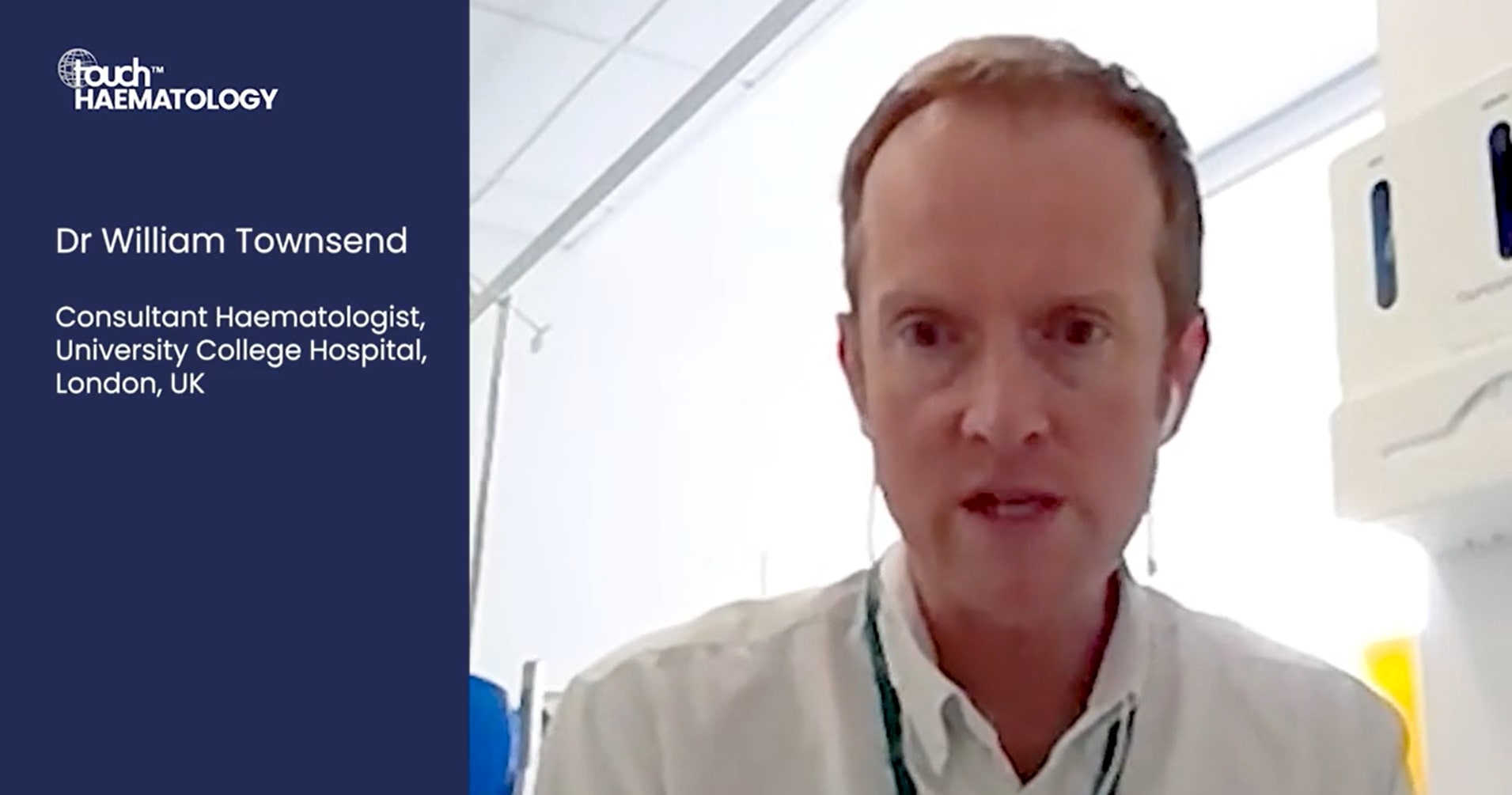
CAR-T cell therapy is reshaping the treatment landscape for lymphoma, advancing from a last-resort option to an early-line strategy for many patients with diffuse large B-cell lymphoma (DLBCL) and select indolent lymphomas. In this interview, Dr Alexey Danilov (Director, Early Phase Therapeutics Program and leader of the Lymphoma Center, City of Hope National Medical Center, USA) discusses how CAR-T is redefining therapeutic sequencing, improving outcomes in high-risk disease and spurring new combination strategies. He also addresses the growing role of bispecific antibodies and the ongoing challenges in ensuring equitable access to these potentially transformative therapies.
Q1. From your perspective, how has CAR-T cell therapy evolved in the treatment of lymphoma?
CAR-T cell therapy has fully revolutionized treatment of aggressive lymphoma (DLBCL) and also changed how we think about sequencing of therapies in indolent lymphomas, including follicular lymphoma and chronic lymphocytic leukemia. Importantly, this also shows promise in patients with difficult-to-treat lymphoma, including central nervous system lymphoma, double-hit lymphoma and Richters transformation. In the past few years, CAR-T cell therapy has moved to earlier lines of treatment in DLBCL and, in many cases, replaced autologous stem cell transplant. Evaluation for CAR-T cell therapy in first relapse DLBCL is now standard and many patients are deemed ‘cured’ with this approach, although longer follow-up is necessary for confirmation. CAR-T cell therapy has a solid place in third-line DLBCL and beyond. Future studies will continue to focus on use of CAR-T in earlier lines. Additionally, new antigen targets, such as BAFF-R, and dual-targeting CAR-T are being explored aggressively.
Q2. What factors most influence treatment decisions between CAR-T cell therapy and bispecific antibodies, particularly in relapsed/refractory disease?
This is an area of active debate as there are still relatively few patients who have been treated with either modality after failing the other. However, it is clear that bi-specific antibodies are active in patients who have progressed after CAR-T cell therapy, and vice versa. As bispecific antibodies are off-the-shelf therapies, and can be used in the community setting, I suspect that in the future we will see more and more patients receiving these treatments prior to being referred for CAR-T evaluation to a tertiary center.
Q3. Do you anticipate a future where CAR-T is used in combination with bispecific antibodies or immunotherapies?
Indeed, studies evaluating combination CAR-T therapies are ongoing, both with bi-specifics and immune checkpoint inhibitors, based on promising preclinical data. Additional combinations include targeted therapies such as BTK inhibitors, and immunomodulatory small molecules. Ultimately, the approach to use combination treatments will be guided by efficacy and toxicity seen in these studies.
Q4. Access to CAR-T cell therapy remains limited in many settings. What are the biggest challenges ensuring all eligible patients receive CAR-T therapy?
Indeed, CAR-T cell therapy is accessible in large metropolitan areas, but is less accessible elsewhere in the country. Logistical issues, lack of caregiver, inability to take off work, difficulties with insurance coverage, difficulty with access to CAR-T cell centers represent some of the issues which impact our ability to administer CAR-T cell therapy. Additionally, many patients who are not eligible for stem cell transplant due to comorbidities are still good candidates for CAR-T. Education of community oncologists on the potential of CAR-T cell therapy is very important to ensure that every patient deserves a good chance of receiving this lifesaving treatment.
About Dr Danilov
Dr Alexey Danilov is a physician-scientist with background in molecular biology and cancer cell signaling and expertise in oncologic drug development. He leads an independent research program in B-cell malignancies, which bridges the understanding of B-cell biology with early clinical evaluation of novel therapeutics. Dr Danilov guides an effort in experimental therapeutics and his group’s pre-clinical focus is on evaluation of novel targets in the ubiquitin-proteasome system and oncogenic role of cyclin-dependent kinase-9. In addition, his group performs correlative science on multiple clinical trials. He received peer-reviewed funding from the National Cancer Institute (R01), Leukemia and Lymphoma Society, American Society of Hematology and Lymphoma Research Foundation, and serves as Co-Chair for Translational Medicine of the Southwest Oncology Group Lymphoma Committee. Clinically, Dr Danilov is a practicing medical oncologist specializing in the care of patients with CLL and lymphoma. Building on his pre-clinical discoveries, he launched multiple early-phase clinical trials with novel agents. As a member of industry and SWOG committees and a leader within the Early Therapeutics Clinical Trials Network, he participates in drug development on a global scale.
Connect with Dr Danilov
@danilovlab
Disclosure: Dr Alexey Danilov has received consulting fees from Abbvie, ADCT, AstraZeneca, BeiGene, Bristol-Meyers-Squibb, GenMab, Incyte, Janssen, Lilly Oncology, MEI Pharma, Merck, Nurix, Regeneron and Roche. He has ongoing research funding from Abbvie, AstraZeneca, Beigene, GenMab, Incyte, Lilly Oncology, Merck, Nurix and Regeneron.
Cite: CAR-T therapy: A new era for lymphoma. touchHAEMATOLOGY. November 25th, 2025
 Related content
- #ASCO25: Dr Miguel-Angel Perales unveils the CAR T Vision Coalition
- Nursing in the era of CAR T and AI: A conversation with Thomas Jezequel
- Launching Voices of MDS for Blood Cancer Awareness Month
SIGN UP to touchHAEMATOLOGY!
Join our global community today for access to thousands of peer-reviewed articles, expert insights, and learn-on-the-go education across 150+ specialties, plus concise email updates and newsletters so you never miss out.