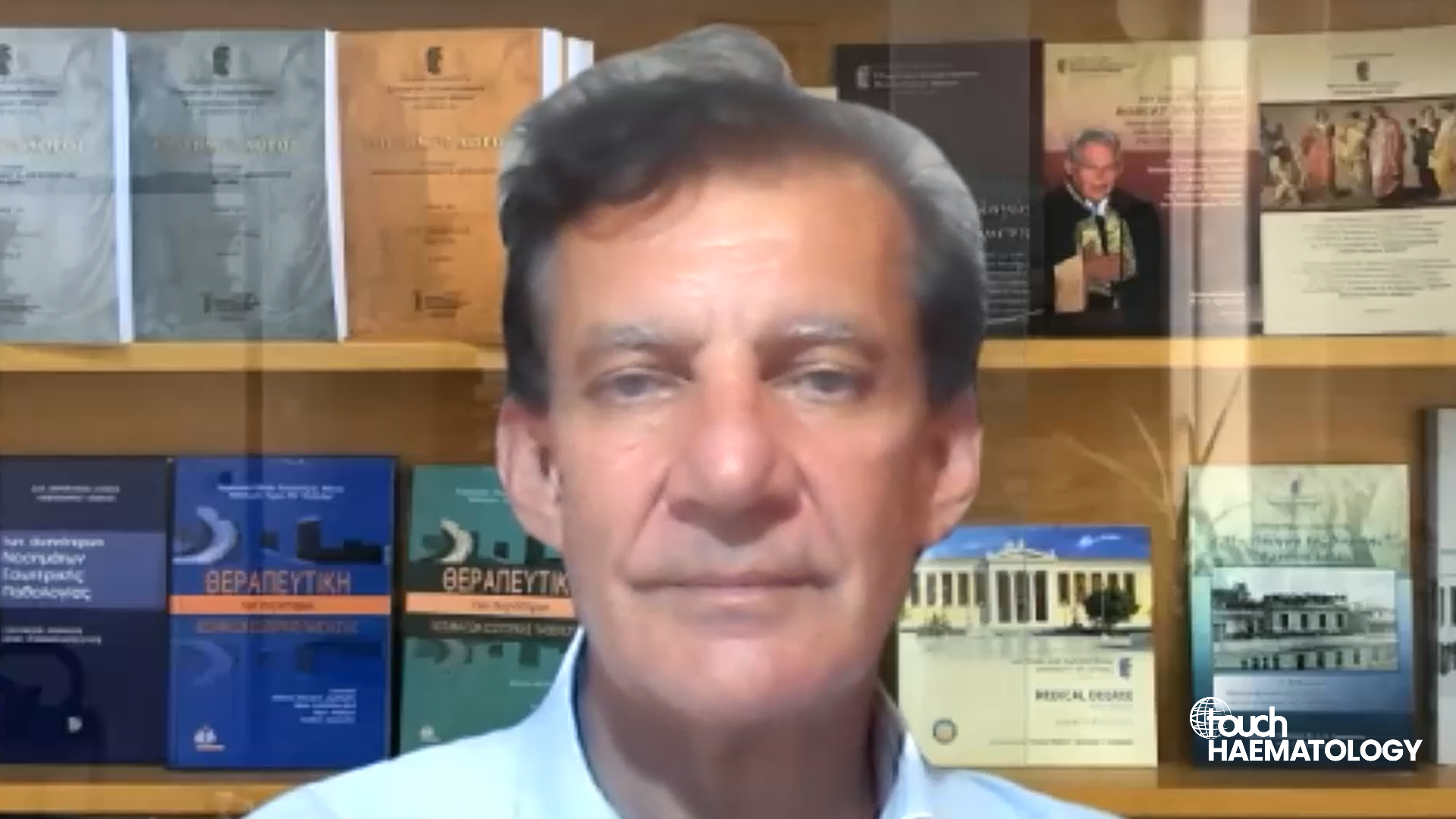
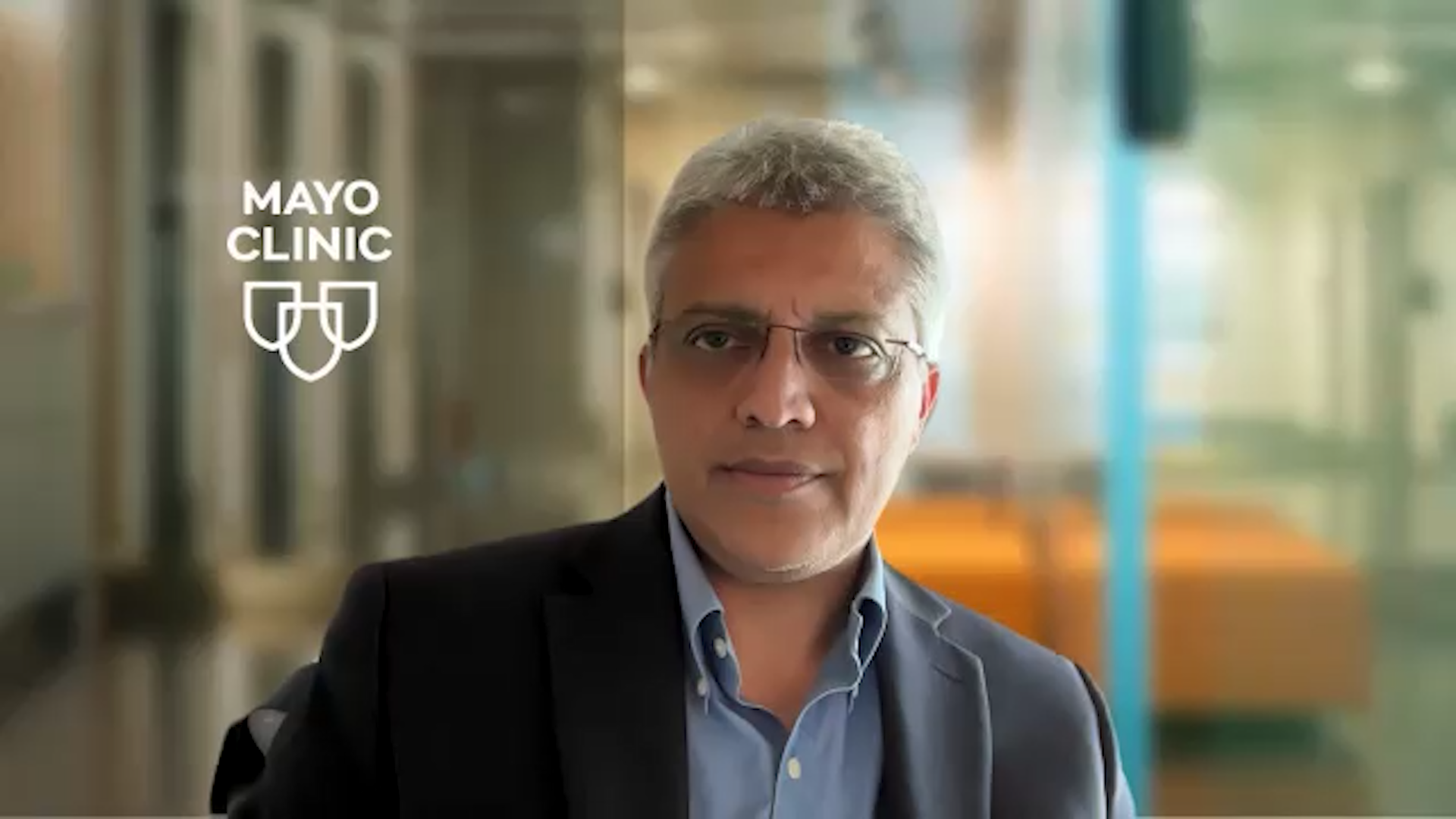
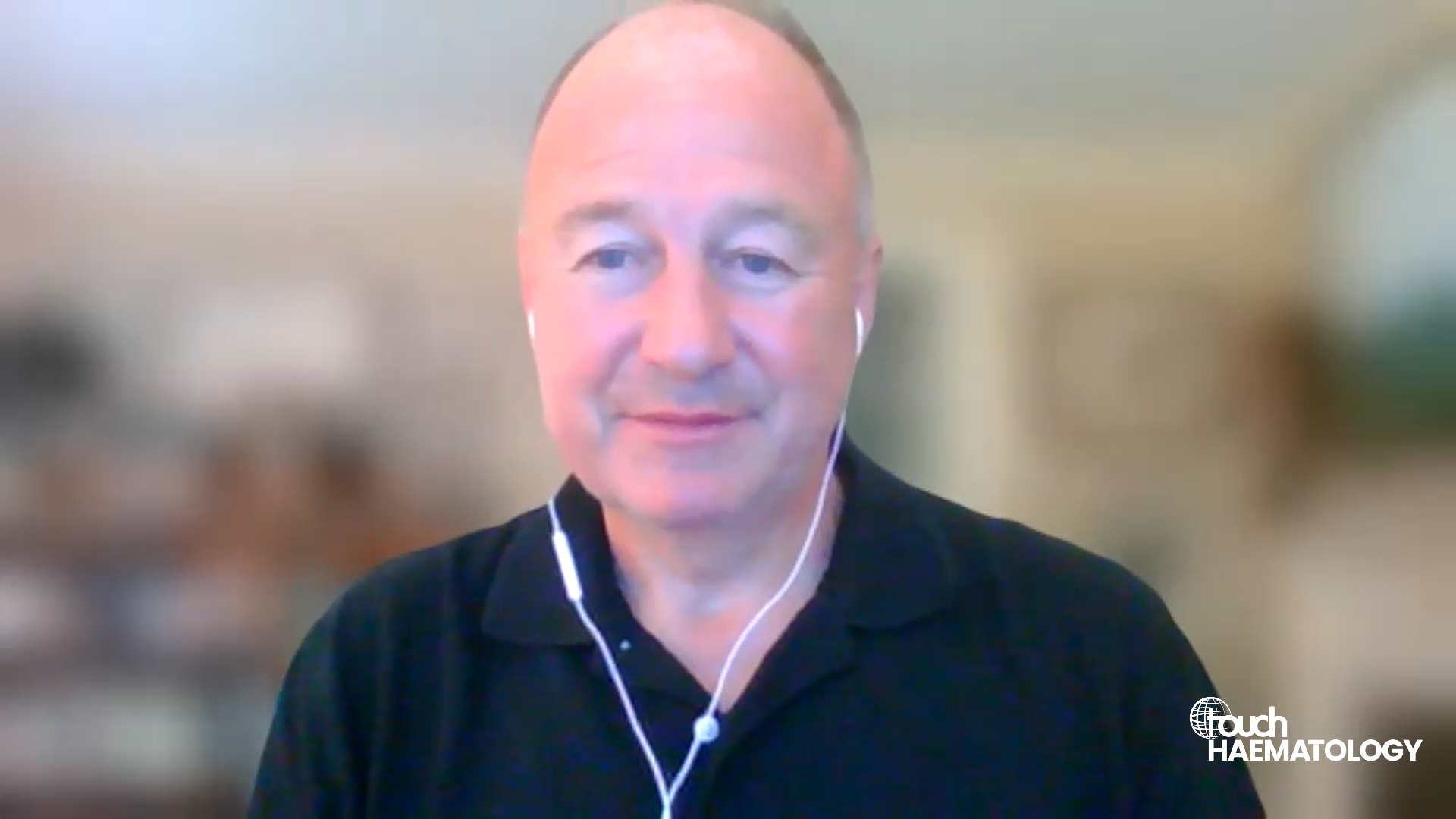
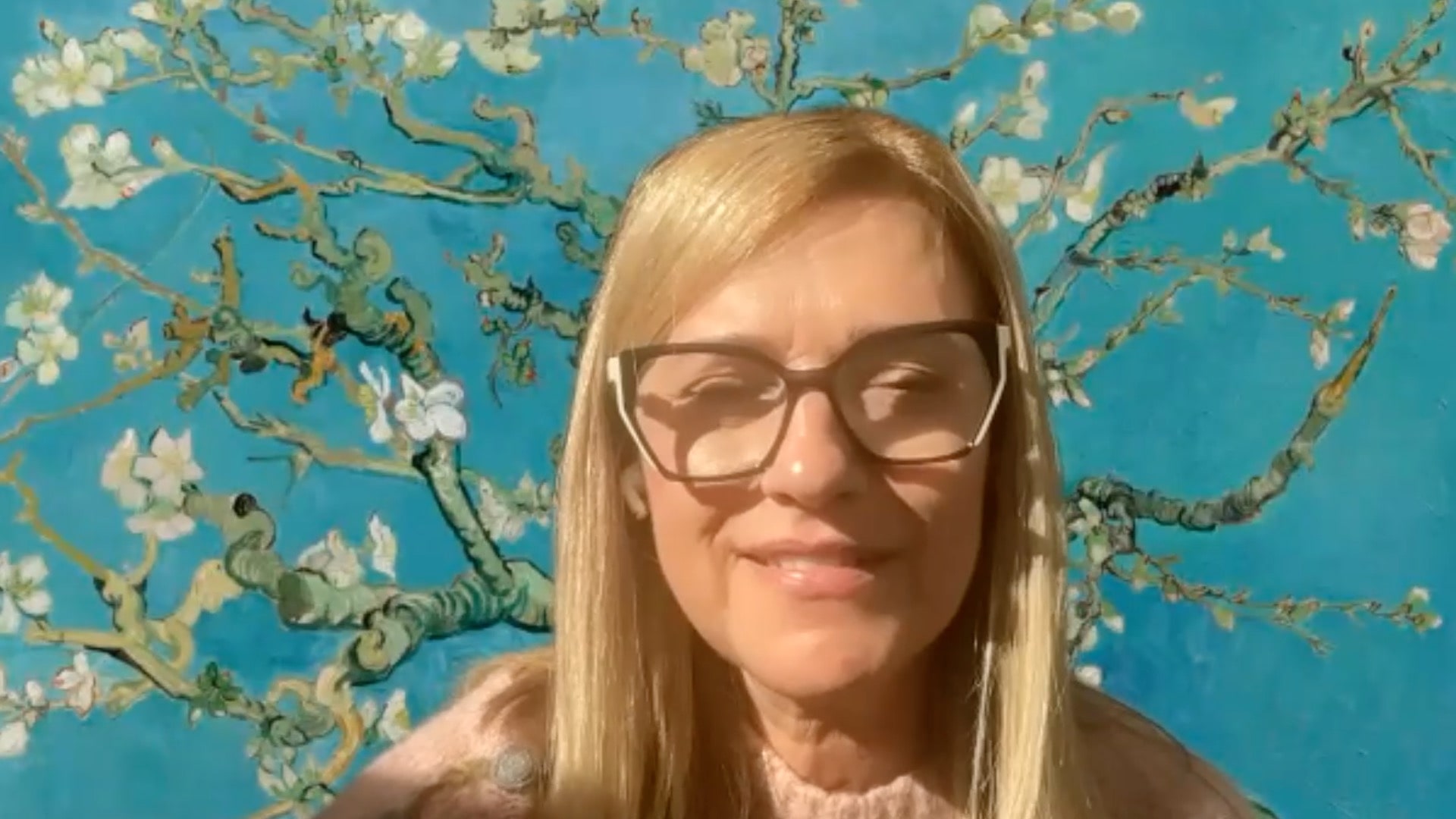
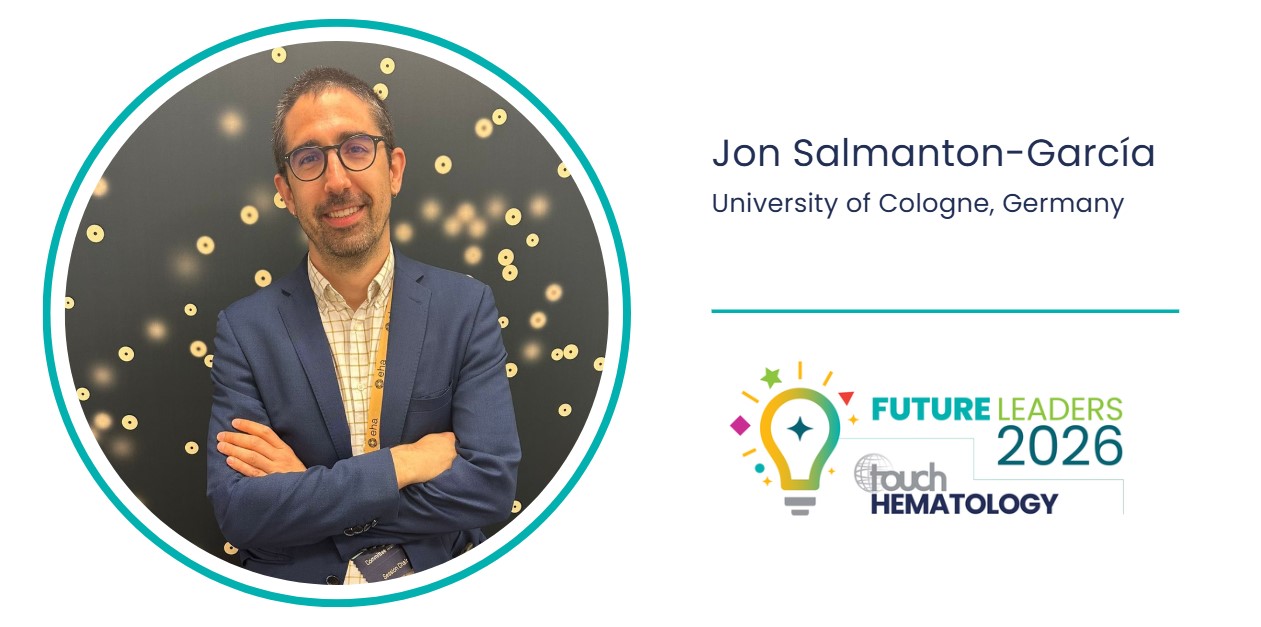
 We are delighted to announce Dr Jon Salmanton-García (University of Cologne, Germany) as a touchHEMATOLOGY Future Leader 2026, selected by his peers as a rising star poised to shape the prevention of infections in patients with hematological malignancies.
Dr Jon Salmanton-García’s research focuses on understanding and preventing infections in patients with hematological malignancies, with a strong emphasis on international collaboration and improving patient outcomes worldwide. In this touchHEMATOLOGY Future Leaders interview, he discusses the mentors who have shaped his career, the opportunities presented by emerging therapies such as CAR-T cells and bispecific antibodies, and why resilience, collaboration and supporting the next generation of researchers are essential to advancing both science and patient care.

“Resilience is essential because science rarely goes exactly as planned”
What is the most valuable lesson a mentor has shared with you, and how has it influenced your work?
One of the most important lessons has been the value of collaboration. Regardless of the size of your institution, some research questions can only be answered through collaboration across centers and populations. Building national and international collaborations allows us to generate stronger evidence and address clinically important questions that would otherwise be impossible.
At the same time, my mentor has taught me the importance of remaining independent. Collaborations are essential, but you also need to be proactive and able to solve problems yourself if challenges arise. Research is driven by deadlines, whether for conference submissions or responding to reviewers, so taking initiative rather than waiting for others has been an invaluable lesson.
Was there a particular experience that reinforced your passion for research?
Working with colleagues in low- and middle-income countries has been especially rewarding. Although the questions we address may focus on local epidemiology and may not always attract the highest-profile journals, the work is meaningful because it helps generate evidence where it is needed most. These collaborations have become one of the most fulfilling aspects of my career. For example, we are working with colleagues in Argentina on dengue infection in patients with hematological malignancies, an area that has been relatively underexplored. Developing manuscripts, presenting findings at conferences and creating educational webinars together is incredibly motivating and reminds me why I chose a career in research.
What current development in your specialty excites you the most?
I work across infectious diseases and hematology, and we are entering a fascinating period. Historically, allogeneic hematopoietic cell transplantation was one of the major risk factors for infection, and over time we developed a strong understanding of how to prevent and manage these complications. Now, however, CAR-T cell therapies and bispecific antibodies have introduced entirely new challenges. We need to understand which infections occur in these patients, when they develop, which pathogens are involved and how best to prevent them. It is an exciting reminder that science is constantly evolving and that infectious disease specialists and hematologists must continue working closely together to answer these new questions
What advice would you give to those starting a career in your specialty?
First, be resilient. Science rarely goes exactly as planned, and clinical practice is often more complex than what is described in the literature. If something does not work the first time, learn from it and keep moving forward. It is also important to establish healthy boundaries and expect respect from those around you. Finally, enjoy what you do. Research is demanding, so finding the projects that genuinely motivate you will help sustain your enthusiasm over the long term. Maintaining a healthy work–life balance is equally important because your career should never come at the expense of your wellbeing.
How important is it to spotlight and support early career professionals?
It is so important to help early career researchers become part of the wider scientific community while creating opportunities to learn from more experienced colleagues. Progress in medicine depends on collaboration between generations, not replacing one with another. They also provide valuable training beyond scientific knowledge, covering topics such as research methodology, manuscript writing, science communication and even wellbeing. Emerging technologies, including artificial intelligence, are another important area. AI should be viewed as another member of the research team that can improve efficiency, but it should never replace critical thinking. Researchers must understand both its strengths and its limitations so they can evaluate its output and use it responsibly.
Disclosures: This short article was prepared by touchHEMATOLOGY in collaboration with Dr Jon Salmanton-García. No fees or funding were associated with its publication.
Citation: Dr Jon Salmanton-García on advancing management of infections and hematological malignancies: touchHEMATOLOGY Future Leaders 2026: touchHEMATOLOGY Future Leaders 2026. touchHEMATOLOGY. 22 July 2026.
Register now to receive the touchHEMATOLOGY newsletter!
Don’t miss out on hearing about our latest peer reviewed articles, expert opinions, conference news, podcasts and more.