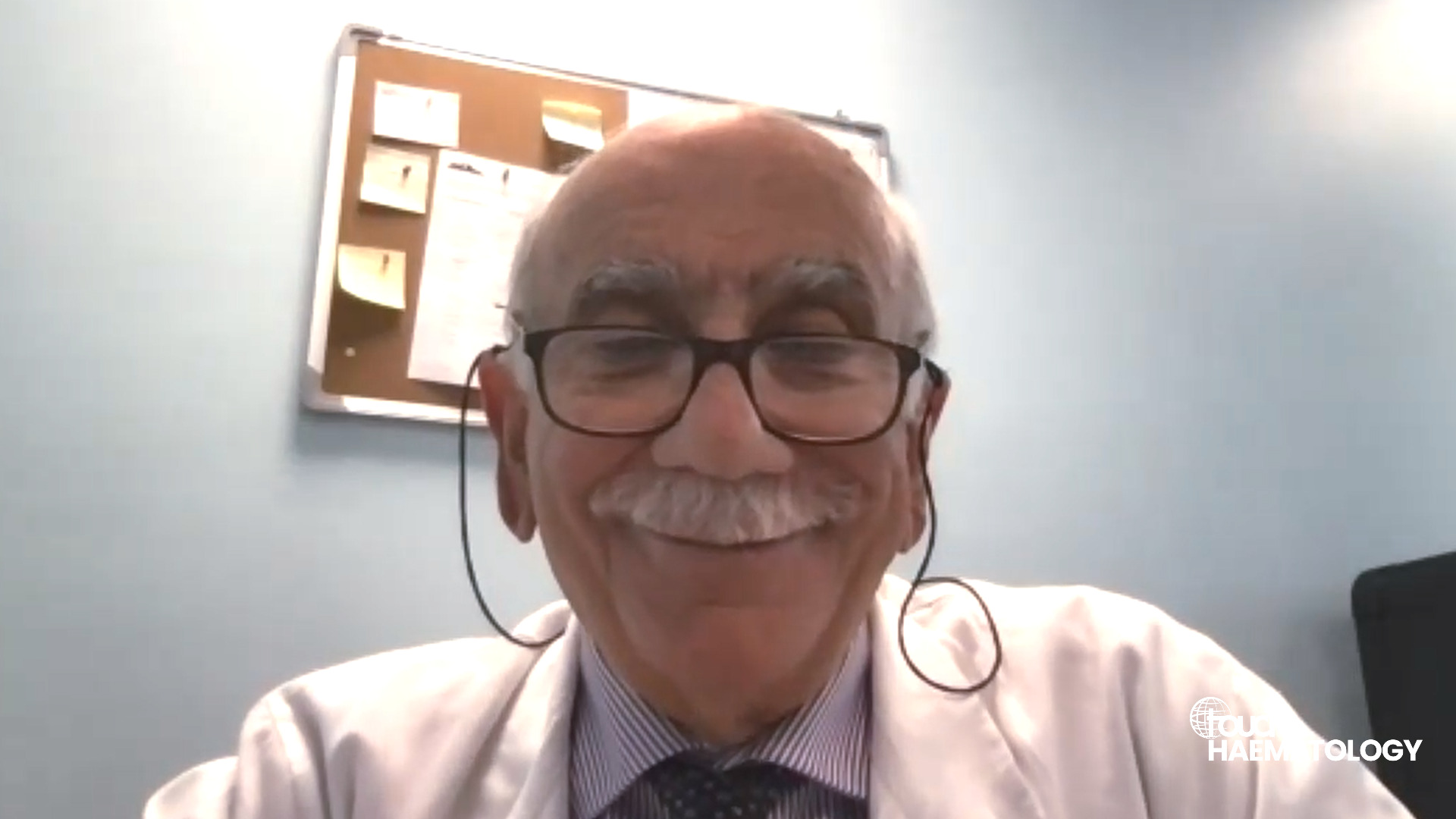
Prof Josep-Maria Ribera reflects on four decades of progress in ALL, the increasing biological complexity of the disease, and why combining immunotherapy with subtype-specific targeted approaches will define the next era of treatment
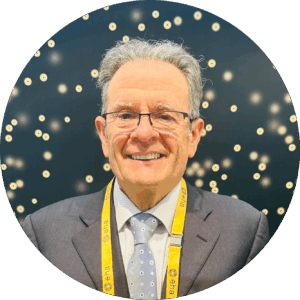
“In hematology, the first principle must always be the patient; before the drug, before the trial, before the data”
After receiving the 2026 European Hematology Association (EHA) Clinical Excellence Award, Prof Josep-Maria Ribera (Catalan Institute of Oncology and the Josep Carreras Leukaemia Research Institute, Barcelona, Spain) discussed the scientific milestones that lead to his award. In the Q&A below, he reflects on the transformation of ALL over the past 40 years. He highlights the establishment of cooperative trial groups, advances in molecular characterisation, and the integration of immunotherapy and targeted agents, particularly TKIs in Philadelphia chromosome-positive disease, as pivotal developments. Looking ahead, he emphasized precision approaches tailored to increasingly defined biological subtypes of ALL.
touchHEMATOLOGY coverage from EHA 2026
Congratulations on receiving the 2026 EHA Clinical Excellence Award. What does this recognition mean to you?
It is both a pleasure and an honour. I consider myself so fortunate. I have worked extensively throughout my career, but many people work hard and only a minority have their work recognized in this way. So I feel grateful for this recognition.
Your work has helped shape the field of acute lymphoblastic leukemia (ALL). What do you see as the key milestones that brought the field to where it is today?
There have been several major milestones. First, the recognition that ALL is a curable disease; this was fundamental because it changed the entire therapeutic mindset. Second, the establishment of strong cooperative groups, which have been essential in accelerating clinical research. Without collaborative trial networks, progress would have been much slower. Third, the deep biological characterization of ALL. This has allowed us to identify the vulnerabilities of leukemic cells and use that knowledge therapeutically.
This has led to two major therapeutic advances: immunotherapy, and targeted therapies directed against specific biological vulnerabilities. A clear example is the introduction of tyrosine kinase inhibitors (TKIs), which transformed the treatment of Philadelphia chromosome-positive ALL (Ph+ ALL).
As you mentioned in your award lecture, treatment options for ALL have changed dramatically over the last four decades. Looking ahead, which innovations do you think will most shape the next decade?
Immunotherapy is clearly a powerful tool for eliminating leukemic cells, but I do not think it is sufficient on its own. With immunotherapy, we target surface antigens, but we do not directly address the intracellular mechanisms that sustain leukemic proliferation and survival. Those intracellular pathways remain critical. We need to combine immunotherapy with therapies directed against those specific molecular pathways. The best example is Philadelphia chromosome-positive ALL. When we combine immunotherapy with BCR::ABL1-directed TKIs, outcomes improve significantly. I believe this is the next step, not only for Ph+ ALL, but across multiple ALL subtypes.
Despite these advances, what are the major unanswered questions in ALL?
The biggest challenge is recognizing that ALL is not a single disease. It is a group of biologically distinct diseases with very different genetic backgrounds. Historically, we have treated ALL largely as one entity, with some modifications. But that approach is becoming increasingly inadequate. For example, KMT2A-rearranged ALL and high hyperdiploid ALL are fundamentally different diseases. High hyperdiploid ALL is highly sensitive to chemotherapy, whereas KMT2A-rearranged disease often requires alternative approaches beyond conventional chemotherapy, and in some cases beyond immunotherapy alone. The key challenge now is to understand these subtypes in greater depth and identify their specific vulnerabilities.
The classification of ALL is becoming increasingly complex. How does that affect treatment development?
It reflects reality more accurately, but it also complicates therapeutic decision-making. At present, we recognize around 29 B-cell precursor ALL subtypes and at least 11 T-ALL subtypes, and that number continues to grow as we identify new molecular entities. This complexity makes treatment selection more challenging. But it is also an opportunity, because if we can define the vulnerabilities of each subtype, we can develop more precise and effective therapies. I am convinced this will be the way forward.
Finally, what advice would you give to young hematologists entering the field?
The first thing is to love the patients. That is the most important principle. Clinical trials and scientific results are fascinating, but we must remember that we are treating people. A patient is not a number, and not just a point on a Kaplan–Meier curve. Every patient has physical, emotional and social dimensions that must be considered. If we learn to treat the patient well, then the increasingly effective therapies we develop will achieve better and more meaningful results. First the patient, then the drug. That would be my message. The first thing is to love the patients. That is the most important principle. First the patient, then the drug. That would be my message.
This content has been developed independently by Touch Medical Media for touchHEMATOLOGY. Views expressed are the speaker’s own and do not necessarily reflect the views of Touch Medical Media. This article was created by the editorial team utilizing AI as an editorial tool (ChatGPT 5.5 [Large language model]. https://chat.openai.com/chat.) The content was developed and edited by human editors. No funding was received in the publication of this article.
Cite: 2026 EHA Clinical Award Winner Josep-Maria Ribera on the evolution of ALL. touchHEMATOLOGY. 1st July 2026.
Don’t miss out on hearing about our latest peer-reviewed articles, expert opinions, conference news, podcasts, and more.