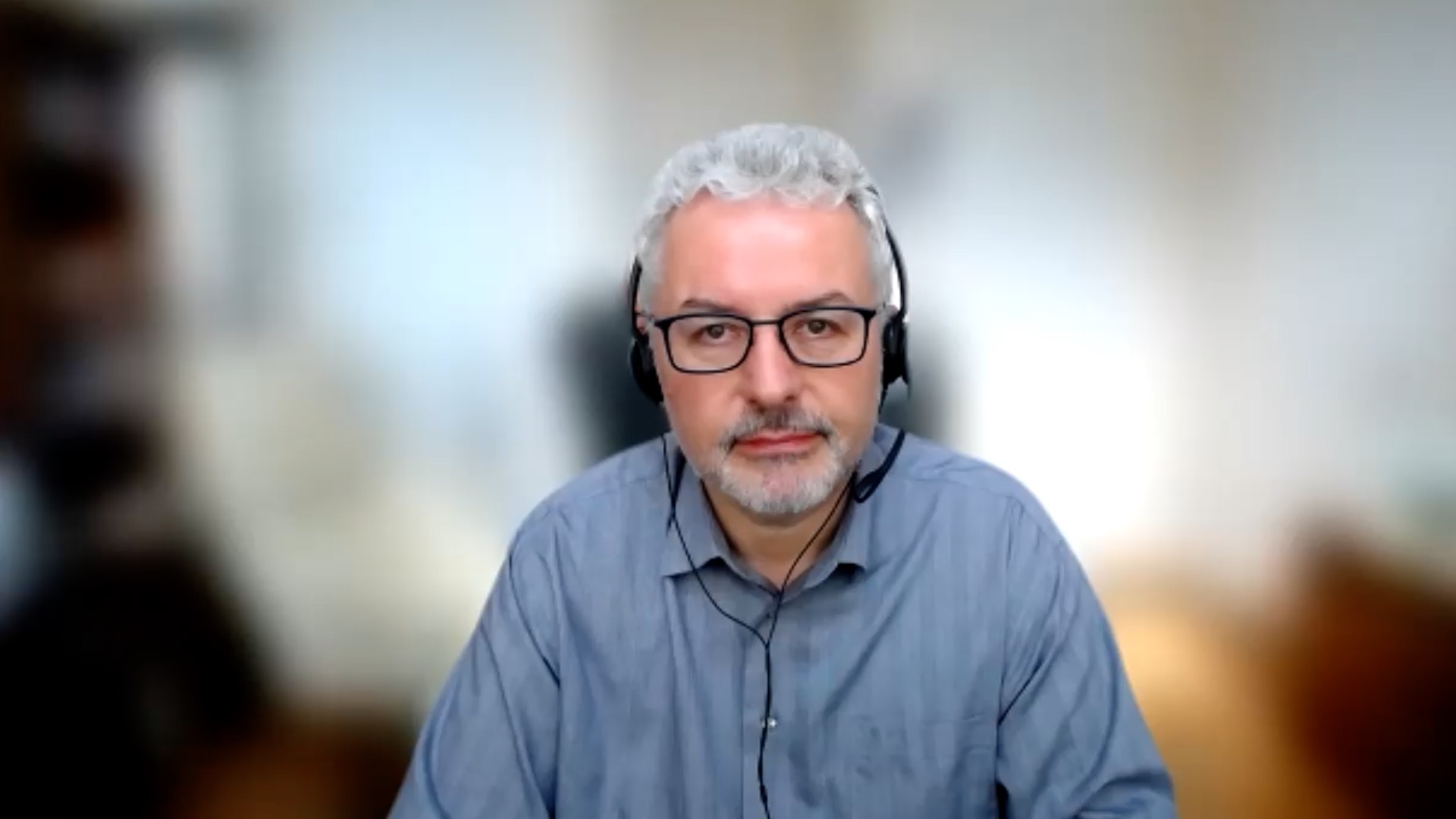
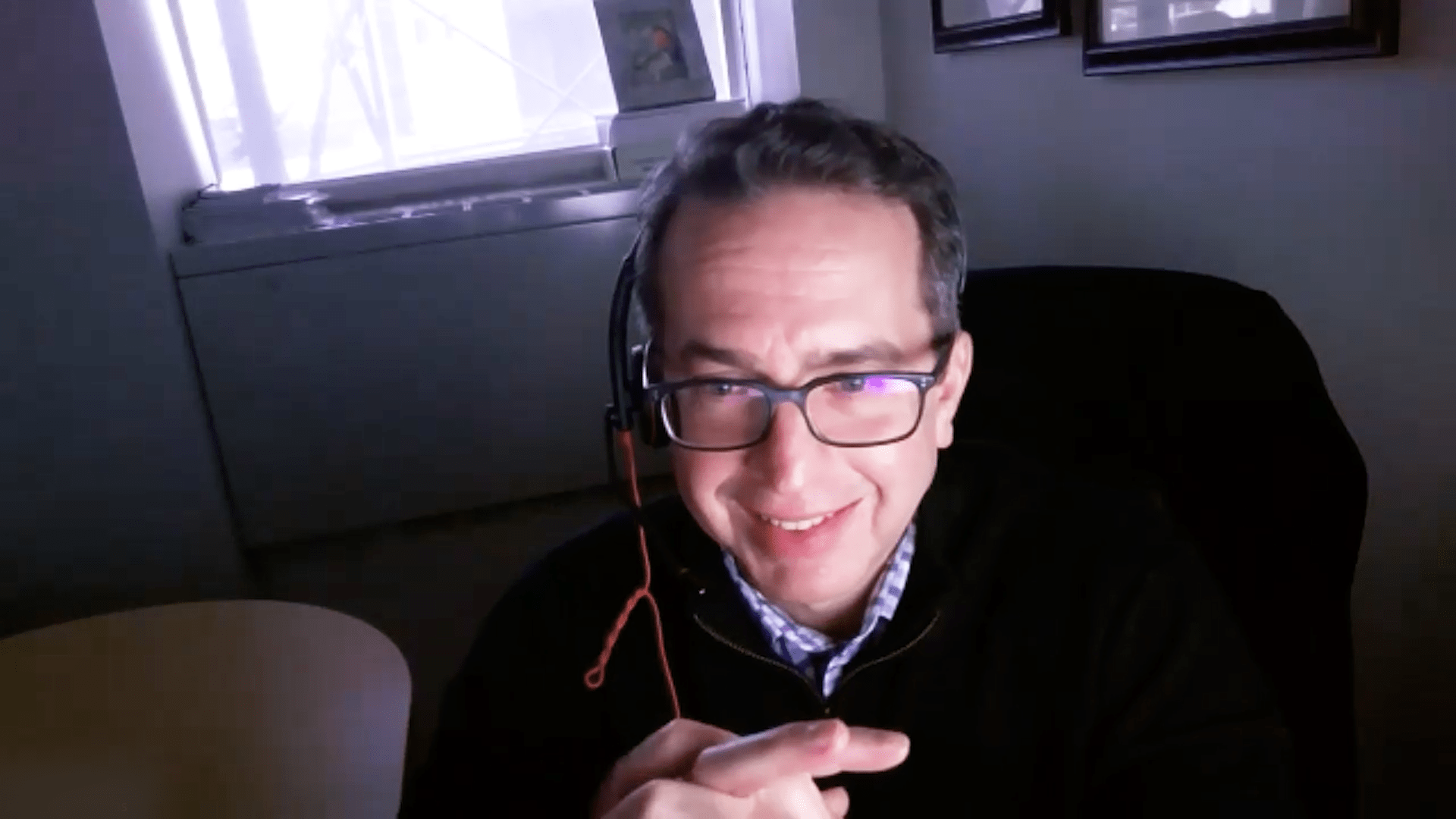
2026 EHA Lifetime Achievement Awardee Prof Claire Harrison reflects on the milestones that shaped her career in MPNs and the importance of mentorship and patient partnership
“Be bold enough to start an idea, but don’t try to do it alone. Build a community around it and include patients. Understanding lived experience matters”
touchHEMATOLOGY coverage from EHA 2026
Prof Claire Harrison (Guys and St Thomas NHS Foundation Trust, London, UK) discusses receiving the 2026 EHA Lifetime Achievement Award at the European Hematology Association (EHA) 2026 Congress and reflects on a career spanning more than two decades in myeloproliferative neoplasms (MPN) research and clinical care. Harrison describes her trajectory from an early interest in acute myeloid leukemia to becoming one of the field’s leading clinical trialists, highlighting the importance of patient advocacy, mentorship and collaboration. Looking ahead, she identifies mutation-targeted therapies, particularly calreticulin-directed approaches, as the most transformative development for MPNs, alongside a growing recognition that some patients may require less treatment rather than more.
Congratulations on receiving the 2026 EHA Lifetime Achievement Award. What does this recognition mean to you?
It means a great deal. It’s overwhelming, really. What makes it especially meaningful is being nominated by your peers. I remember opening the email and being completely bemused, because I had actually intended to nominate somebody else. It’s a huge honour and privilege.
Looking back, what were the key milestones that shaped your career?
I was the first person in my family to go to university, so being inspired to pursue science was important from the outset. Early in my career, a GP told me: “Always listen to your patients”. That advice has stayed with me. I was drawn into hematology as a student in Oxford, partly through the influence of Prof David Weatherall. I initially wanted to work in acute myeloid leukaemia (AML) and transplantation, but by chance I began studying clonality in essential thrombocythemia. That led me into MPNs, where I realized the value of following patients across a much longer disease trajectory.
Trial leadership, patient partnerships, mentorship, and working with a strong team have all been central. Family support has also been critical, medicine takes something from your family, and it’s important to recognize that.
What developments do you think will most transform MPN management over the next decade?
Without doubt, targeted therapies. But first, we also need to recognize that some patients may need less treatment. For example, patients with triple-negative thrombocytosis and no driver mutation may not require treatment at all, and avoiding overtreatment is an important lesson. The most exciting developments are mutation-targeted therapies, particularly for calreticulin-mutant disease.
At EHA 2026, we’ve seen very exciting data with the calreticulin-targeting monoclonal antibody INCA033989. Patients with essential thrombocythemia and myelofibrosis tolerated the drug well, achieved good clinical benefit, and felt better. Alongside that, there are next-generation JAK inhibitors coming through. Current JAK inhibitors are blunt tools, they improve symptoms, but they don’t substantially modify disease biology. These newer agents may begin to change that.
Over the next three to five years, I hope we’ll understand how to sequence these therapies, potentially moving toward treatment-free remission or maintenance strategies.
Your EHA lecture included ‘notes to your younger self’. What advice would you give early-career hematologists?
First: remember that in every clinic encounter, you are already making an impact. That appointment may be one of many for you, but for that patient, it is hugely important.
Second: be bold enough to start an idea, but don’t try to do it alone. Build a community around it and include patients. Understanding lived experience matters.
Third: Find mentors, and mentor others. I’d also advocate for ‘reverse mentoring’. In our trust, I was reverse-mentored by a community nurse, following her work. That was hugely valuable.
And collaborate. The hematology community is unique in that many colleagues become genuine friends. Meetings like EHA can feel intimidating at first, I remember wanting to turn around and go home, but they’re often the start of future collaborations.
This content has been developed independently by Touch Medical Media for touchHEMATOLOGY. Views expressed are the speaker’s own and do not necessarily reflect the views of Touch Medical Media. This article was created by the editorial team utilizing AI as an editorial tool (ChatGPT 5.5 [Large language model]. https://chat.openai.com/chat.) The content was developed and edited by human editors. No funding was received in the publication of this article.
Cite: 2026 EHA Lifetime Achievement Award: Prof Claire Harrison on a lifetime in MPNs. touchHEMATOLOGY. 1st July 2026.
Don’t miss out on hearing about our latest peer-reviewed articles, expert opinions, conference news, podcasts, and more.