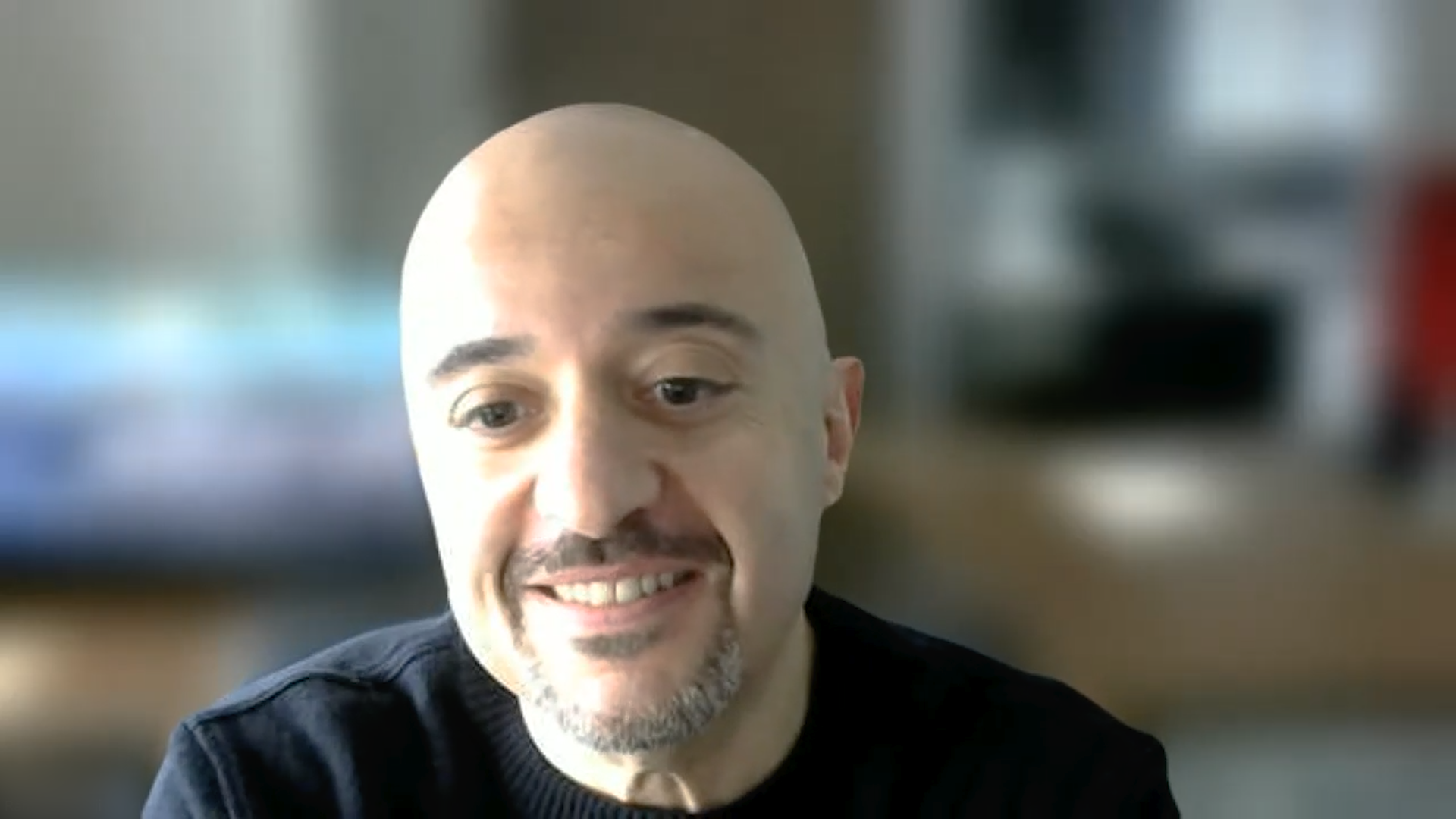
“Nurses are no longer only administering treatments; they are key partners in patient education, toxicity monitoring, symptom management, survivorship care and shared decision-making”
touchHEMATOLOGY coverage from EHA 2026
At the European Hematology Association (EHA) 2026 Congress, we spoke with touchHEMATOLOGY Editorial Board member Erik Aerts (University Hospital Zurich; President of the Hematology Nurses & Healthcare Professionals Group [HNHCP]). He outlined the growing demands facing the hematology nursing workforce. As therapeutic innovation accelerates (with CAR T-cell therapies, bispecific antibodies and other novel approaches reshaping treatment pathways) nurses are taking on increasingly specialized responsibilities in toxicity monitoring, patient education and survivorship care. Alongside this, workforce shortages and sustainability remain pressing concerns across Europe.
In the Q&A below, Erik Aerts emphasizes that HNHCP, a voluntary professional network, is focused on expanding access to specialized education, fostering international collaboration and strengthening recognition of hematology nurses within multidisciplinary teams. With new learning programmes launching in 2026 and further educational updates planned for 2027, the group is positioning itself to support a rapidly evolving clinical landscape.
What were your key highlights from this year’s EHA Congress?
The EHA Congress gives us a unique opportunity to connect with healthcare professionals from all over the world. This year we have met colleagues from Moldova, Mexico and many other countries. For us, networking is essential, not only to bring HNHCP closer to the wider multidisciplinary team, but also to build new educational projects and collaborations. One important discussion this year is our ongoing work with EHA on staff shortages across Europe. This is a difficult but critical issue. Together, we want to improve recognition of hematology nurses worldwide, define role profiles more clearly and ensure nurses receive the education they need to optimize patient care.
From your perspective, what are currently the biggest unmet needs and day-to-day challenges facing hematology nurses across Europe?
One of the biggest challenges is the increasing complexity in hematology. Treatments are evolving rapidly, including stem cell transplantation, CAR T-cell therapies, bispecific antibodies, and other innovative approaches. For nurses and healthcare professionals, this means we are expected to manage highly specialized treatments. Another major challenge is workforce sustainability. Across Europe, many centers are facing nursing shortages, increasing workloads and difficulties with recruitment. This is something we are actively working on together with EHA. Looking ahead to 2030 and beyond, we expect more elderly patients and therefore more cancer patients, which will increase demand even further. We need more nurses, and we also need greater recognition of their role—not only in patient care, but in research, education and service development.
How do you see the role of hematology nurses evolving as treatments become increasingly more complex and personalized?
The role is becoming far more specialized. Nurses are no longer simply administering treatments. They are essential in patient education, toxicity monitoring, symptom management, survivorship care, and shared decision-making. Patients and their families often ask nurses for guidance about treatment decisions because they are highly accessible and trusted. That means nurses play a critical role in helping patients understand complex treatment options and navigate their journey through care.
As President of HNHCP, what are your main priorities during your presidency?
Our primary goal is to strengthen education, collaboration and professional development opportunities for hematology nurses and healthcare professionals. We want to ensure they have access worldwide to our educational platform and resources. We recently launched a new website, which gives a much clearer overview of these resources. I am particularly focused on expanding access to high-quality education, strengthening international networking and collaboration, and ensuring hematology nurses are recognized as key members of multidisciplinary teams. We are also committed to supporting colleagues in countries where access to specialized hematology education is more limited.
Can you tell us more about the HNHCP Annual Meeting and educational priorities this year?
This year, our annual meeting will take place on 6–7th November. We always include medical updates, nursing updates and patient perspectives, because understanding the patient experience is extremely important. We will also discuss complementary therapies, an area where patients often turn to nurses with questions. Another important focus will be palliative care. With so much attention on innovative therapies, it is important that palliative care remains part of the conversation. We have invited Monica Fliedner from Bern, who is both a hematology nurse specialist and palliative care specialist, to address this. We will also launch a new learning programme on myeloproliferative neoplasms and update our AML and ALL learning programmes with a focus on adolescent and young adult care, particularly the transition from pediatric to adult services.
Which current HNHCP projects are you most excited about?
The AML and ALL learning programme updates are particularly important because there have been so many treatment developments, especially in AML. I am also excited about the launch of the MPN learning programme. Although MPNs are not a new topic, there are still new therapies and evolving treatment options, including allogeneic stem cell transplantation. Looking ahead to 2027, we are planning to update our lymphoma learning programme, because this field is also changing rapidly with CAR T-cell therapies, bispecific antibodies and other novel agents.
About the Hematology Nurses & Healthcare Professionals Group
The Haematology Nurses and Healthcare Professionals Group supports nurses and healthcare professionals through education, collaboration and practical resources across haematology care. As an independent non-profit organisation, HNHCP is dedicated to sharing knowledge, supporting professional development and improving care for patients and families.
This content has been developed independently by Touch Medical Media for touchHEMATOLOGY. Views expressed are the speaker’s own and do not necessarily reflect the views of Touch Medical Media. This article was created by the editorial team utilizing AI as an editorial tool (ChatGPT 5.5 [Large language model]. https://chat.openai.com/chat.) The content was developed and edited by human editors. No funding was received in the publication of this article.
Cite: Inside HNHCP: Building education, recognition and resilience in hematology nursing. touchHEMATOLOGY. 2nd July 2026.
Disclosure: Erik Aerts has no financial or non-financial conflicts of interest to declare in relation to this article.
Don’t miss out on hearing about our latest peer-reviewed articles, expert opinions, conference news, podcasts, and more.